
Reconnect With Nature
Haere Mai | Welcome
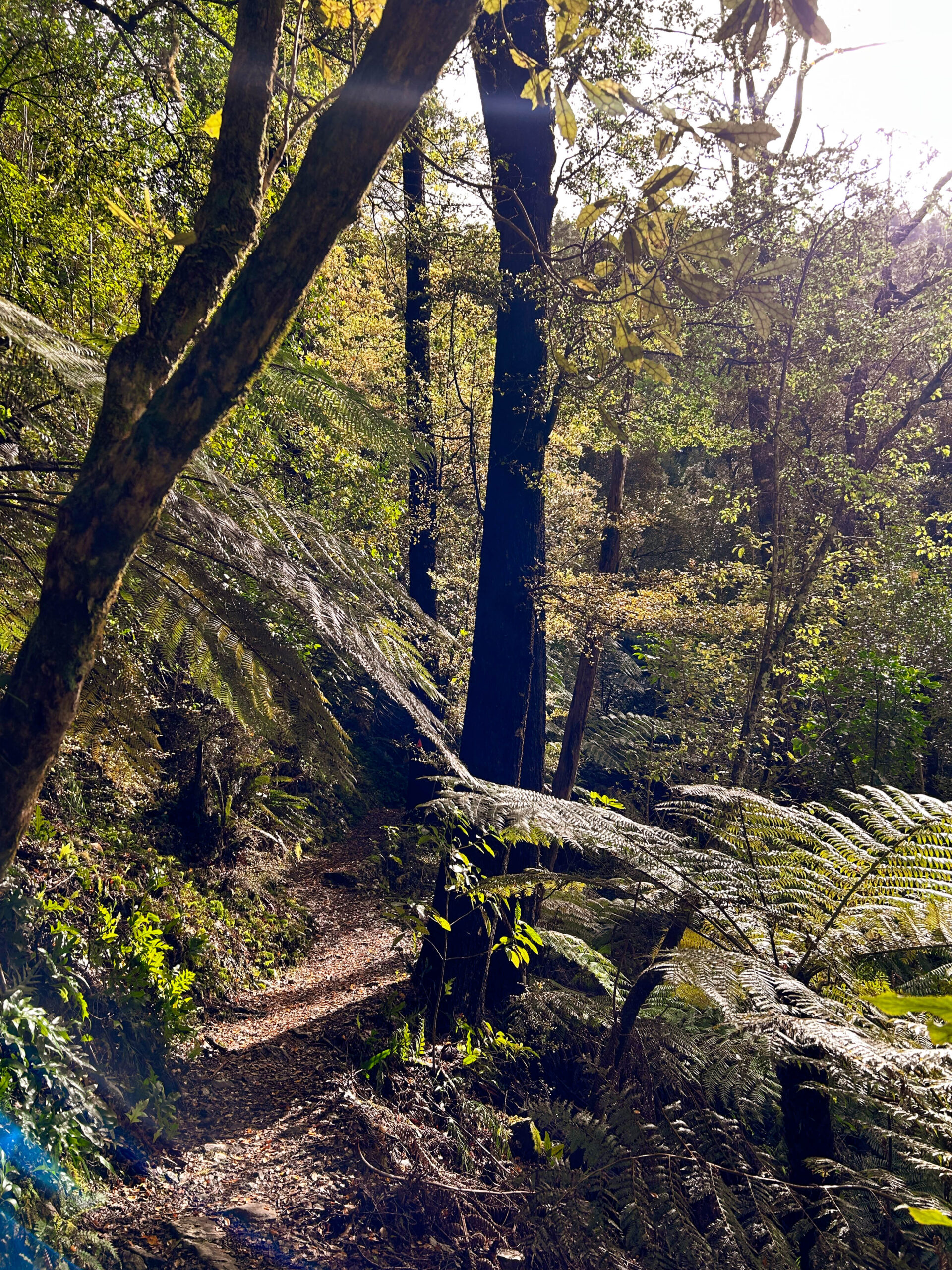
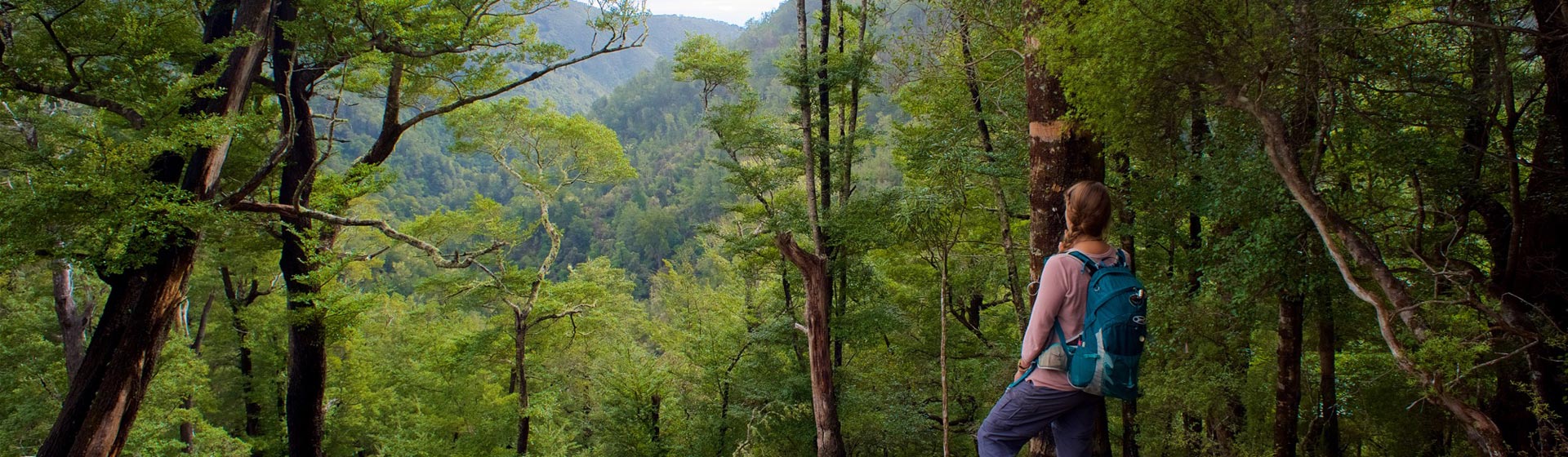
Just minutes from Nelson, the Brook Waimārama Sanctuary is the largest fenced wildlife sanctuary for endangered plants and animals in the South Island. Abundant with native species that both delight and surprise, visitors are able to immerse themselves in the beauty of New Zealand native bush, breathe deeply, and truly appreciate our sense of place and mauri (life force).
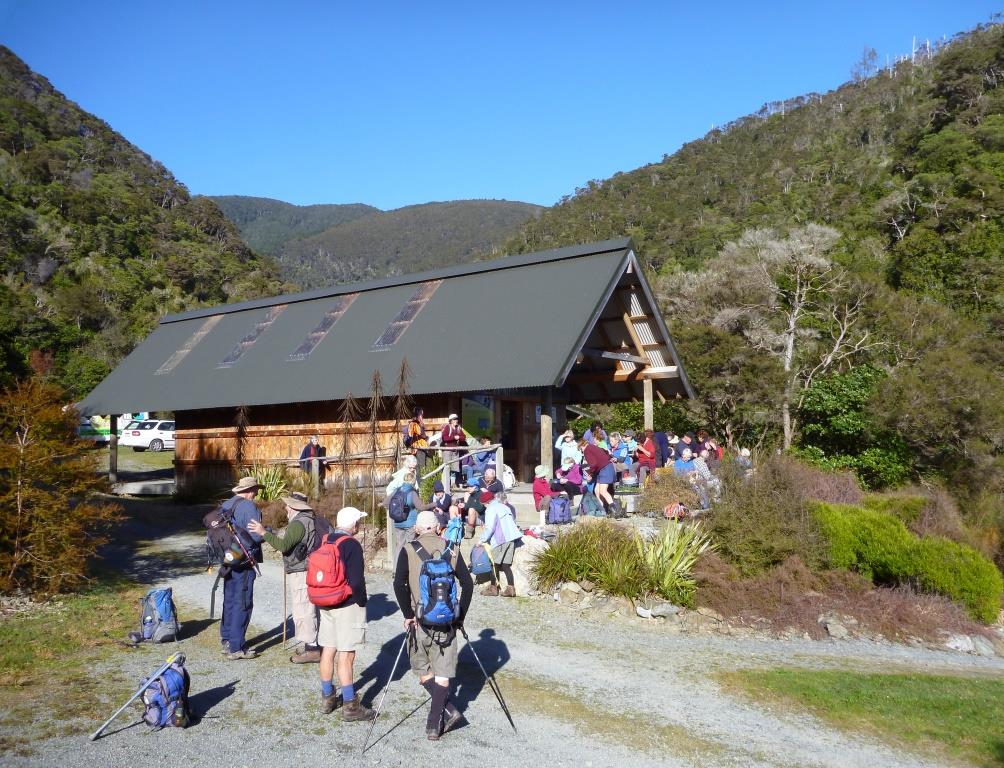
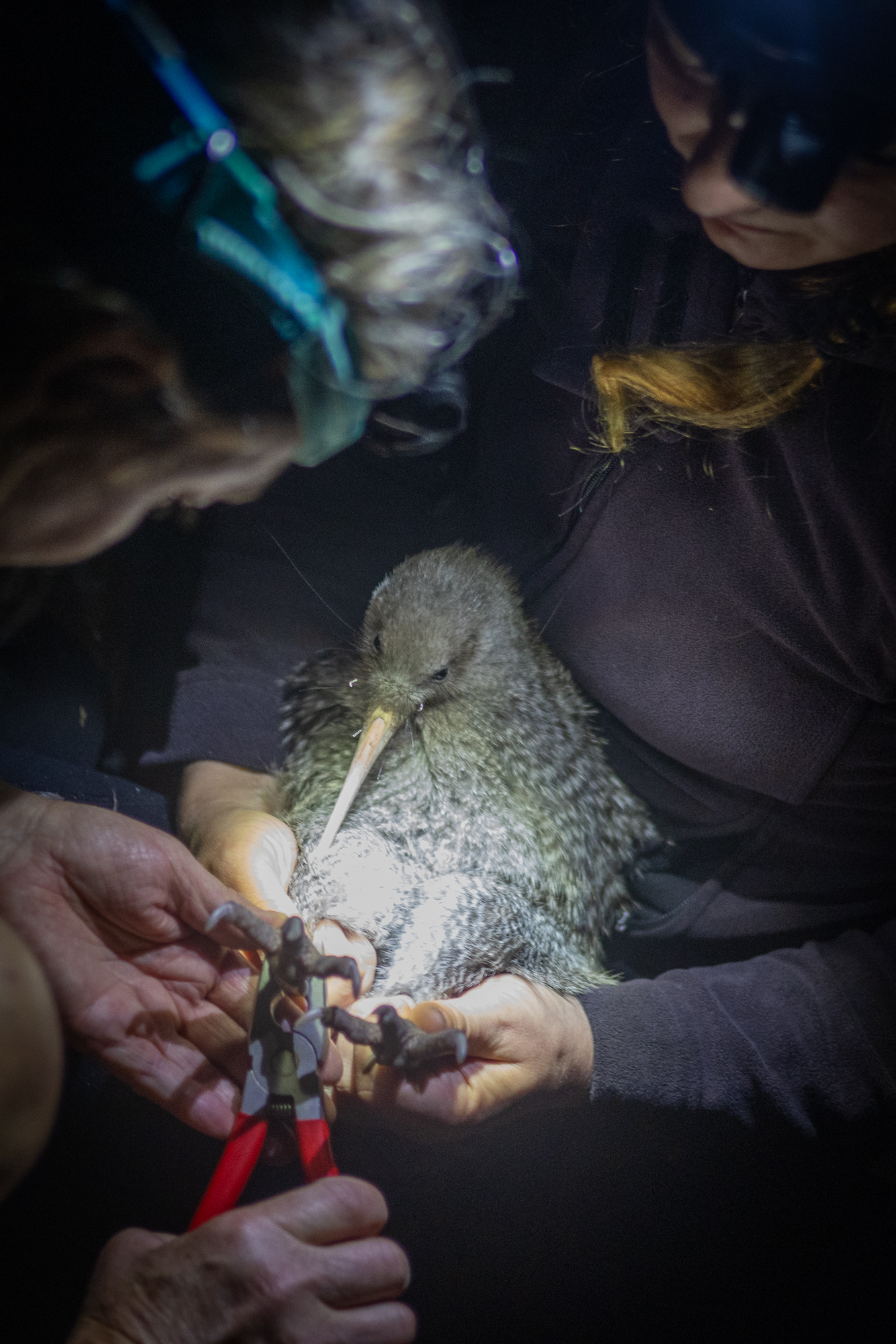
Home to iconic species like the kiwi, tuatara, and kākāriki, the Sanctuary offers self-guided exploration across 15km of walking tracks, as well as guided day and night tours. Don’t miss one of the South Island’s top attractions and your chance to hear (or maybe see) a kiwi in its natural habitat.

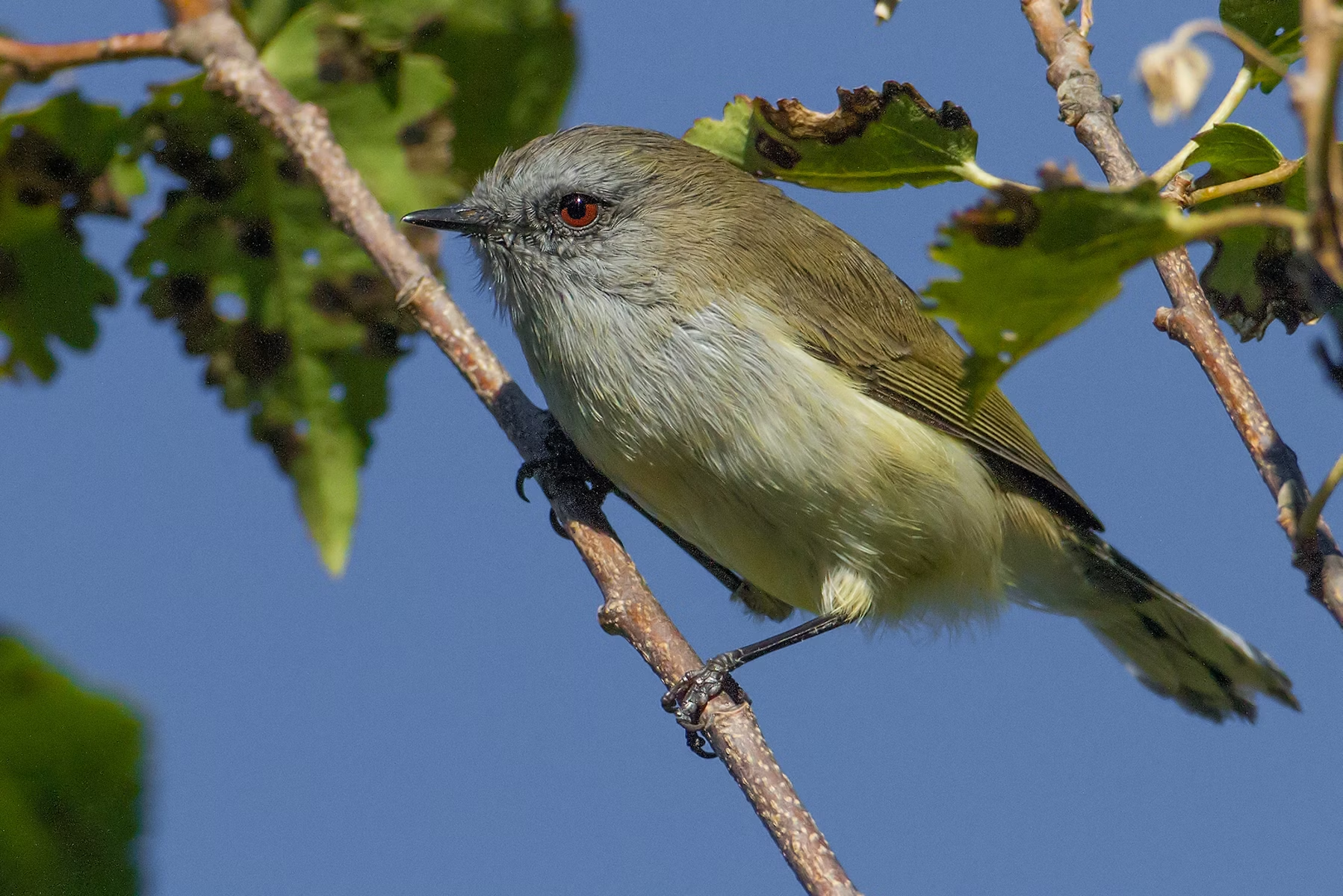
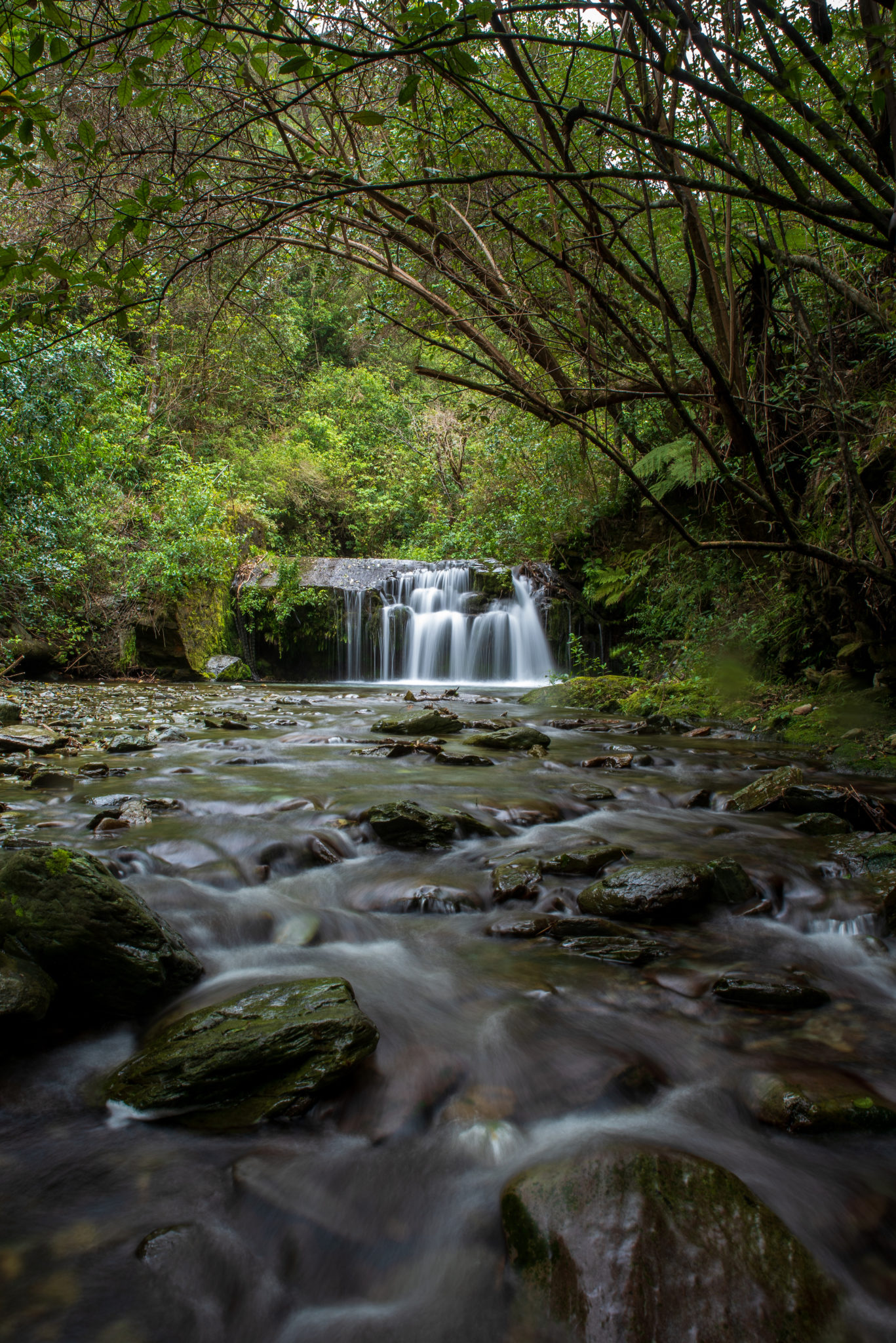
Lots to see and do
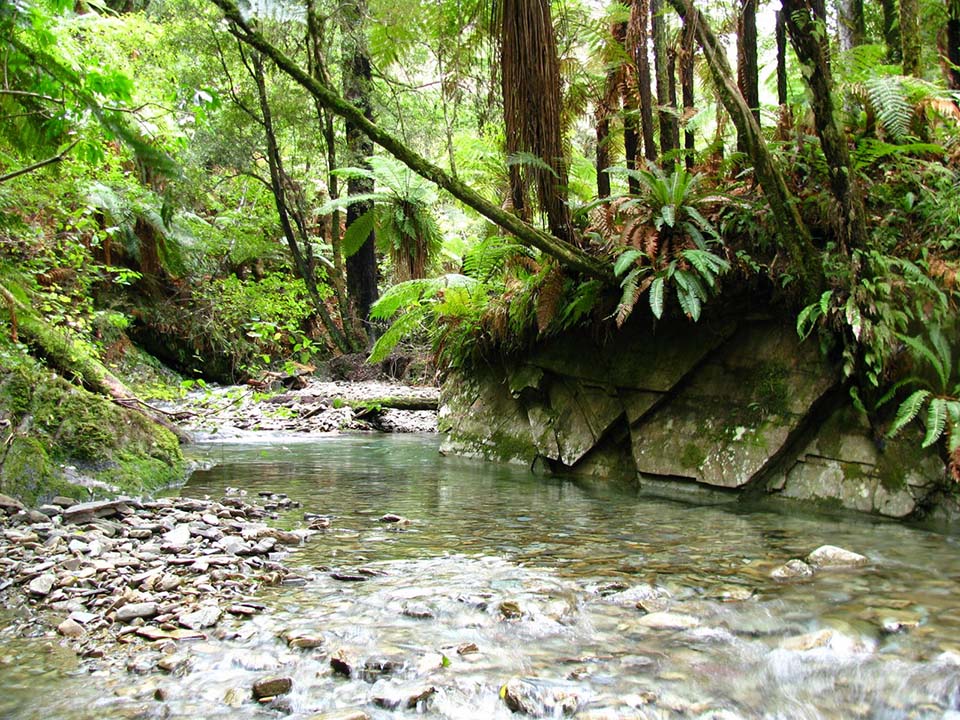
Nestled in Nelson’s Brook Valley, the Sanctuary spans 690 hectares of protected native bush, surrounded by 14.3 kilometres of pest-proof fencing. This predator-free environment enables the safe return of some of Aotearoa’s most endangered species.
The Sanctuary is the largest of its kind in the South Island and the second largest in the country; it is the only sanctuary to feature primarily mature New Zealand beech forest.
- 15km of walking tracks
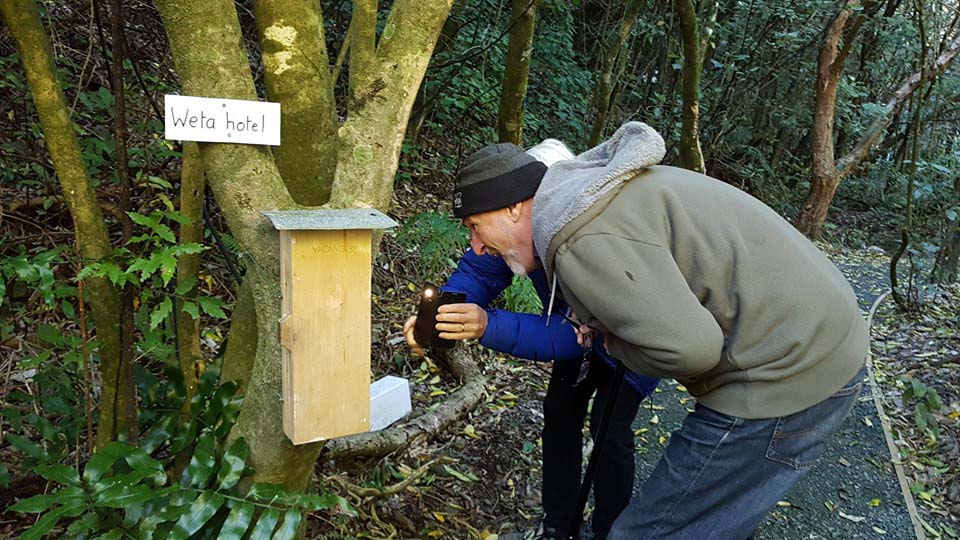
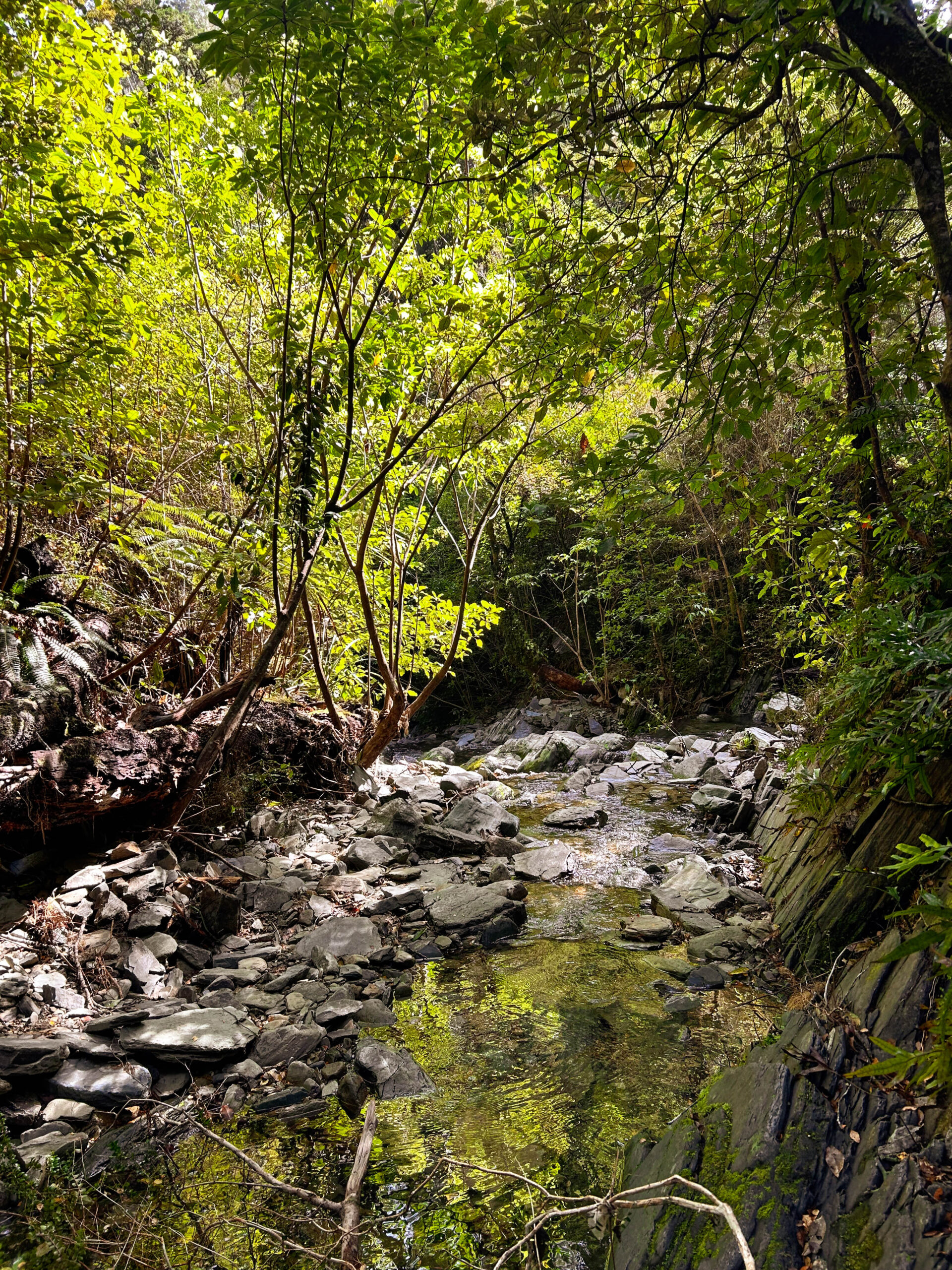
- 45-minute easy loop walk with waterfalls, sculpture trail, picnic spots and more
- Guided day and night tours
- Home to kiwi, tuatara, the largest population of kākāriki karaka & many other endangered species
- Just 5km from Nelson City Centre
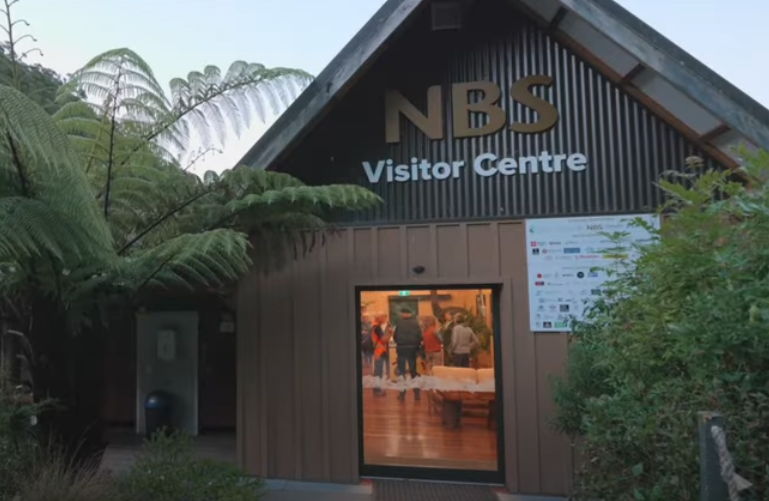
Find out more about our walks, facilities and what you can do at the Sanctuary here.
What’s happening at the Sanctuary?
Translocations, new chicks, competitions, children’s activities, corporate events – there’s always something new happening at the Brook Waimārama Sanctuary!
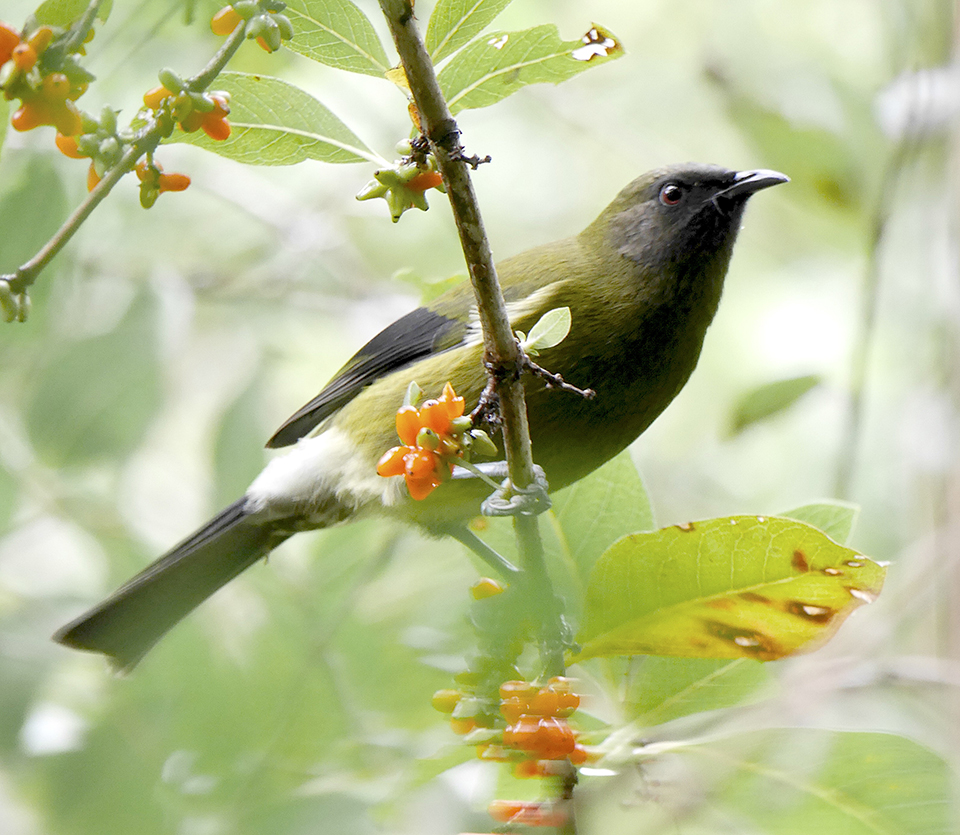

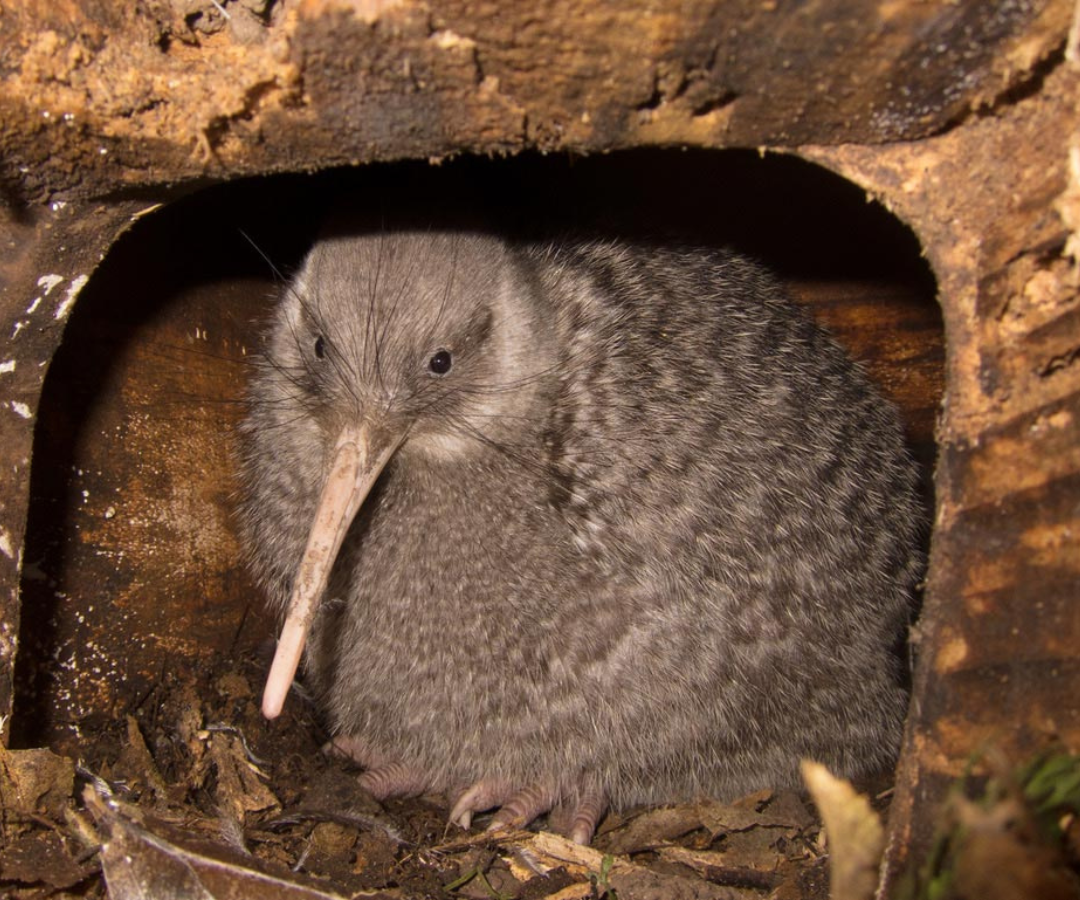
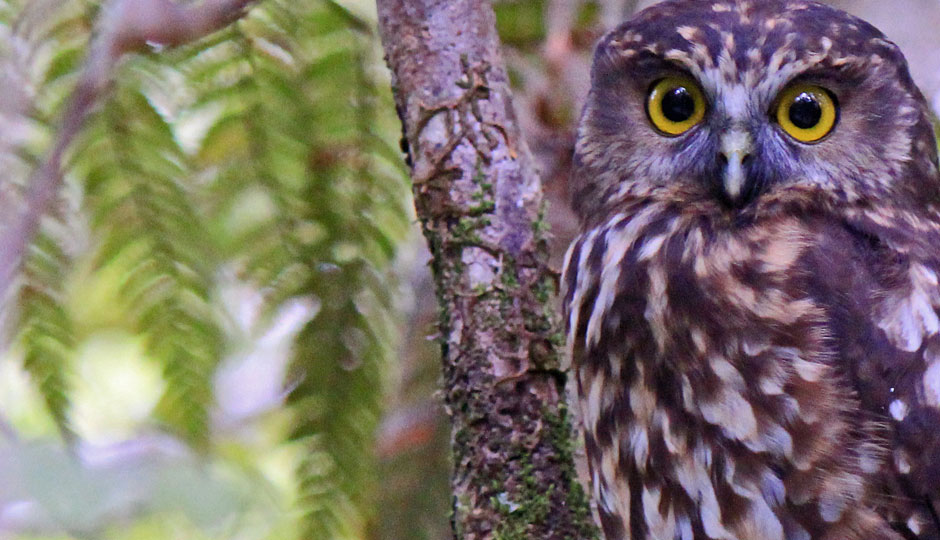
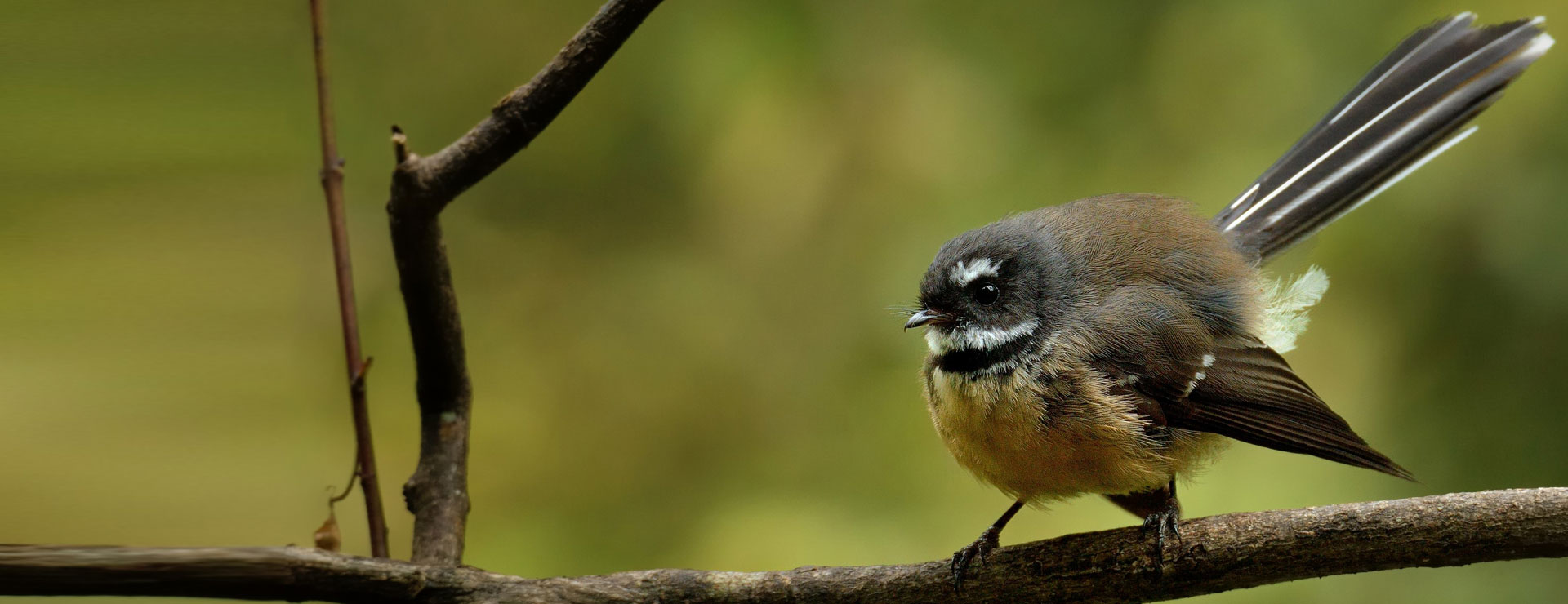
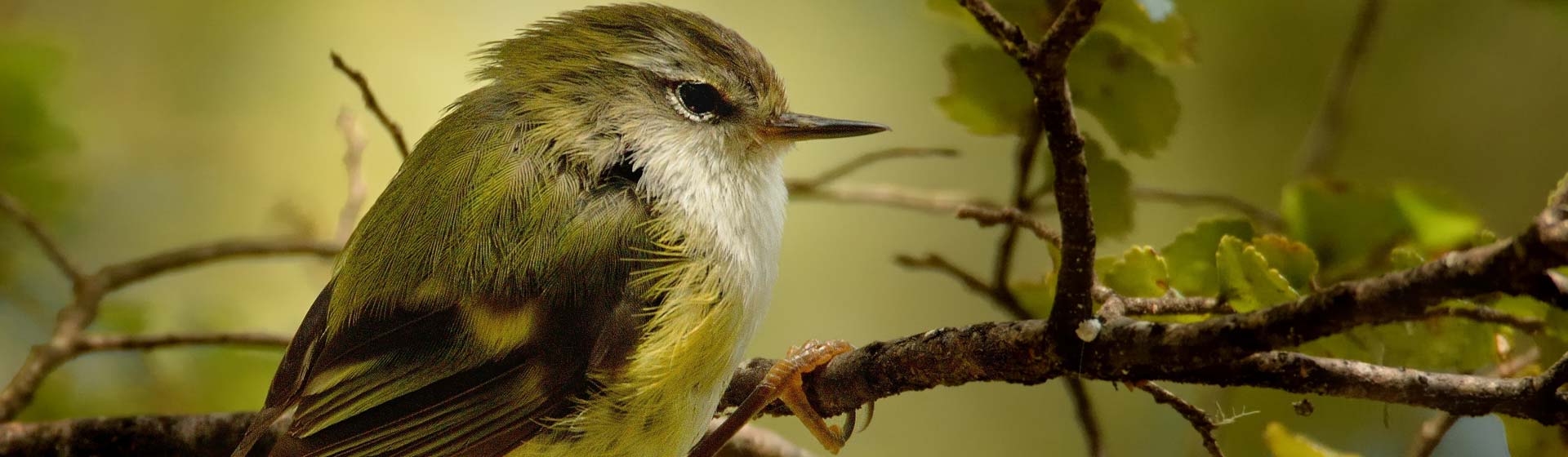
What’s here?
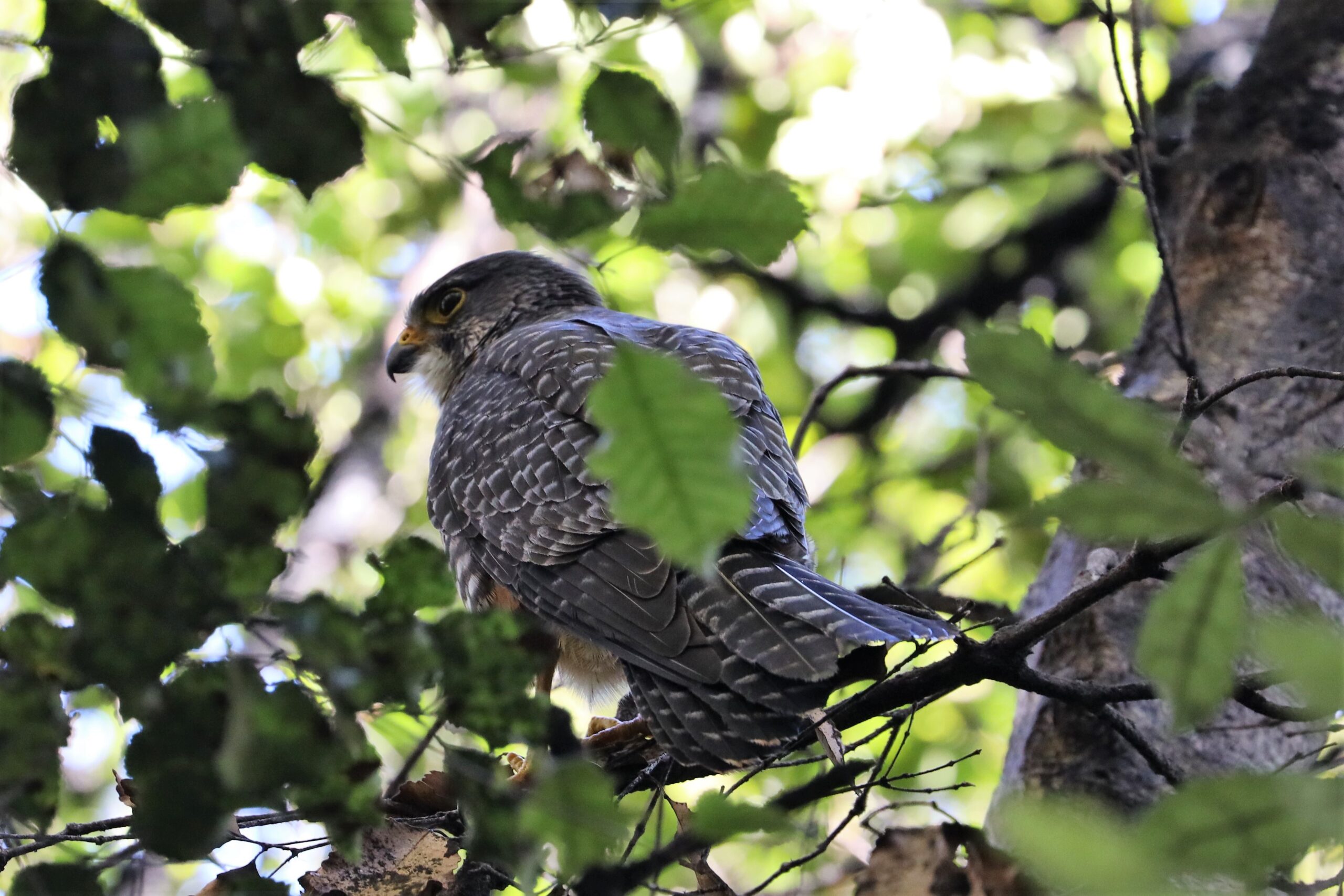
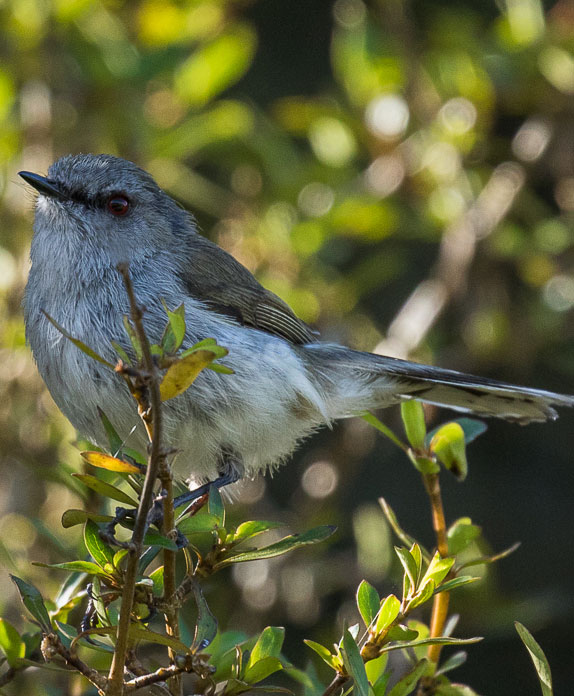
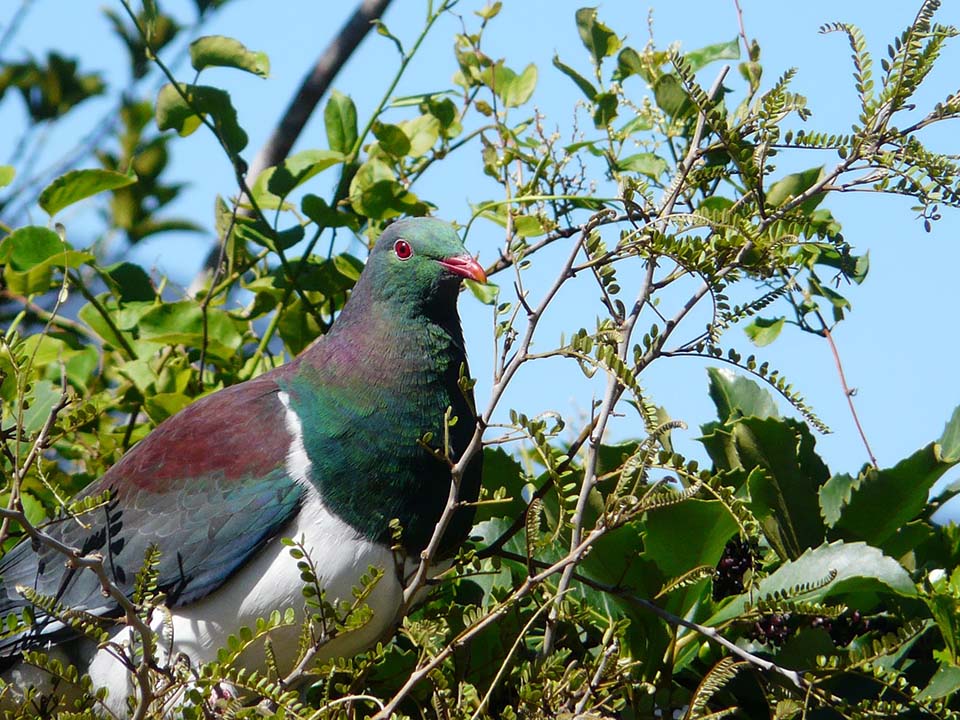
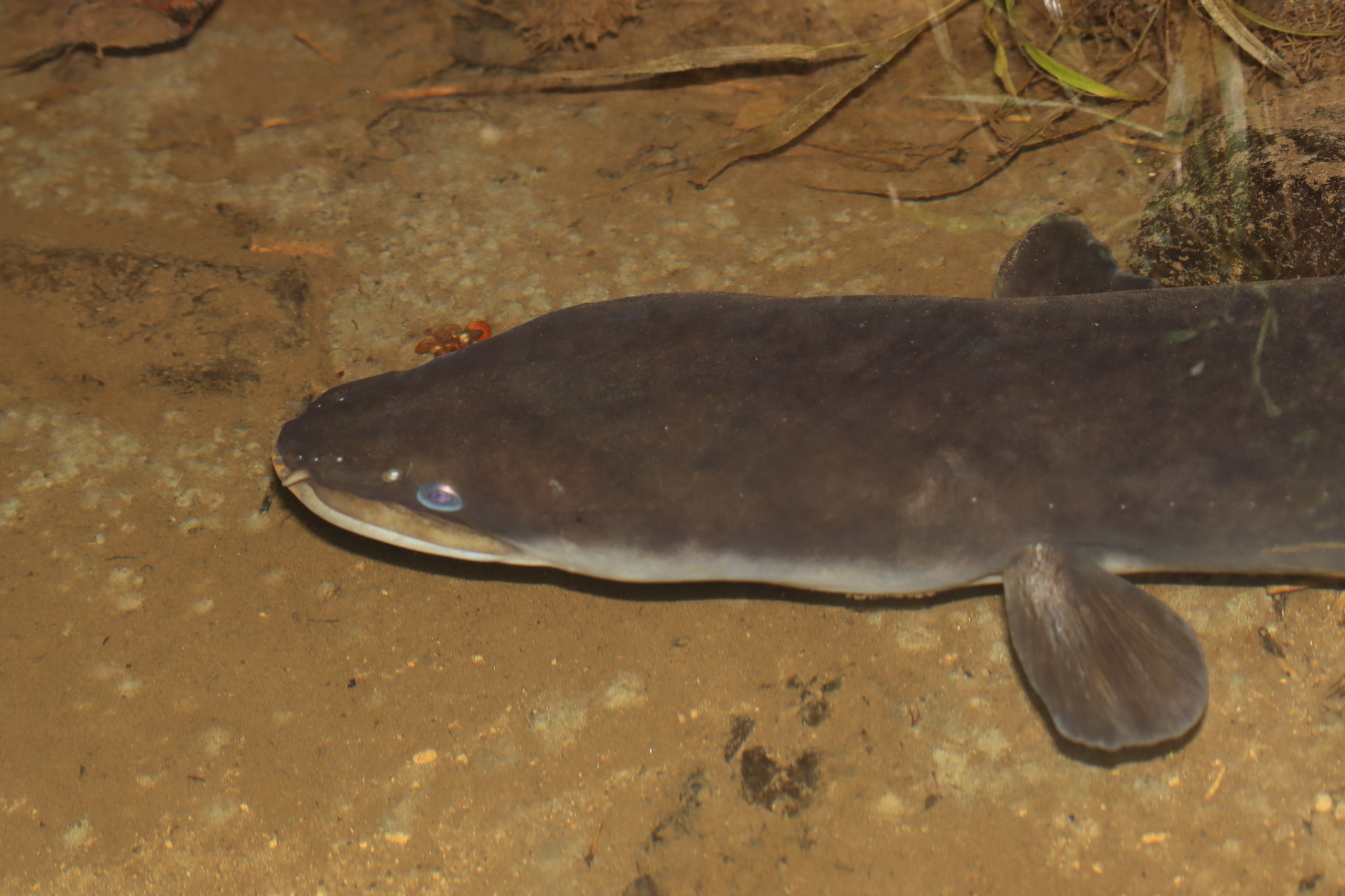
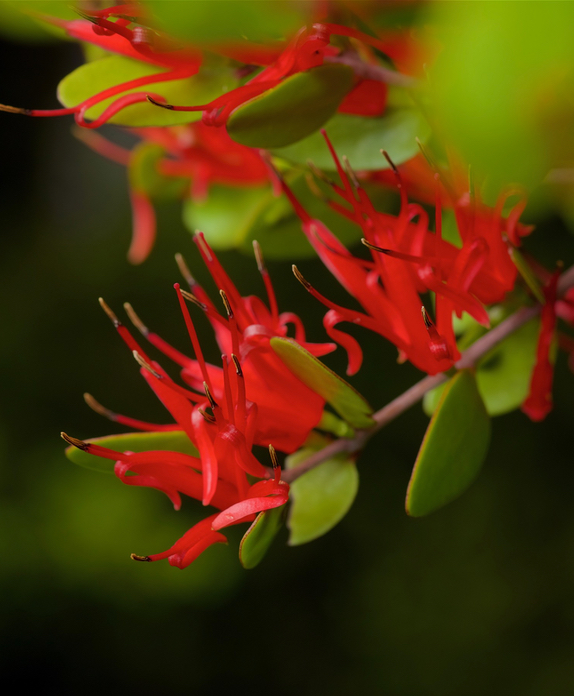
Meet some of our amazing residents and our incredible flora
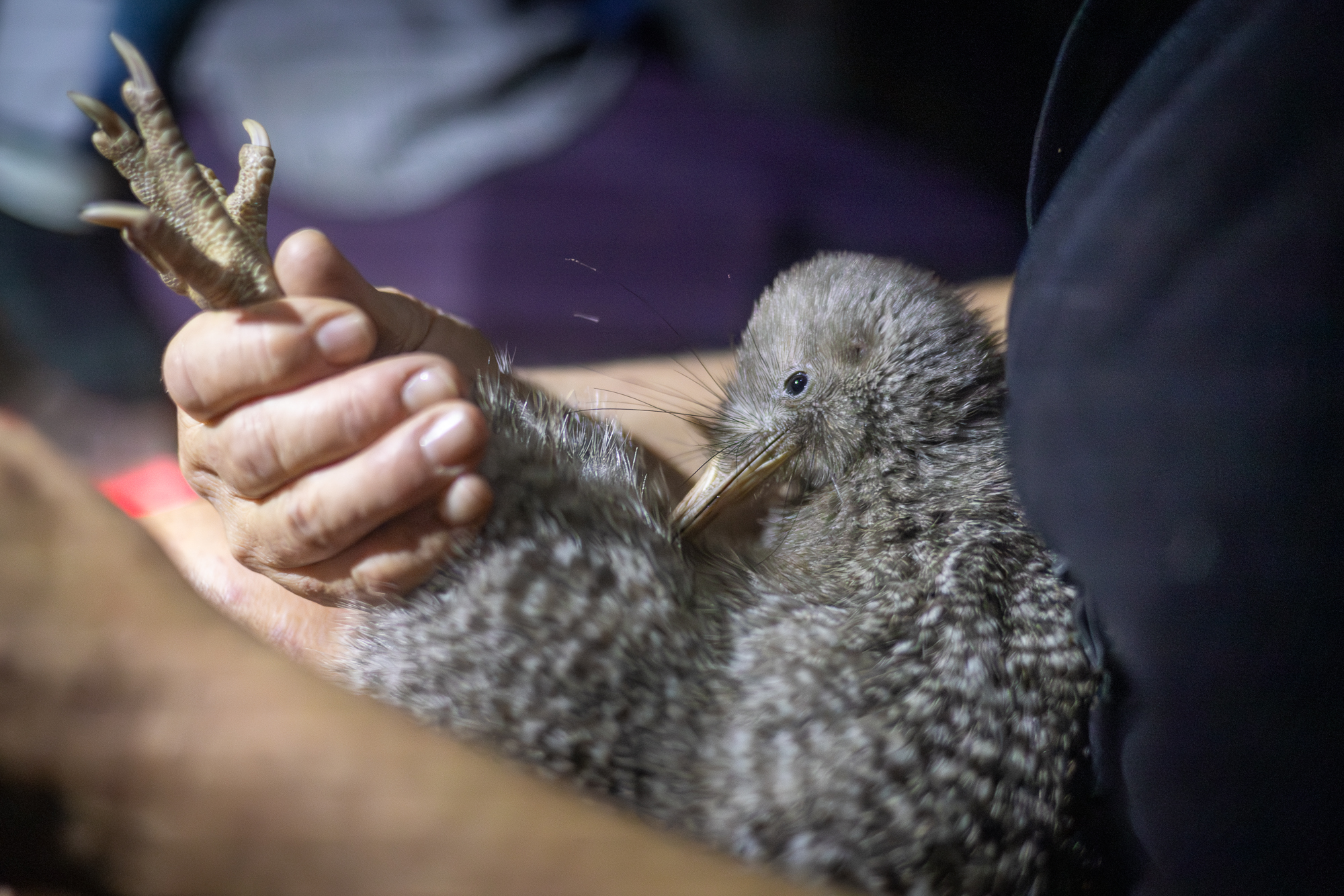
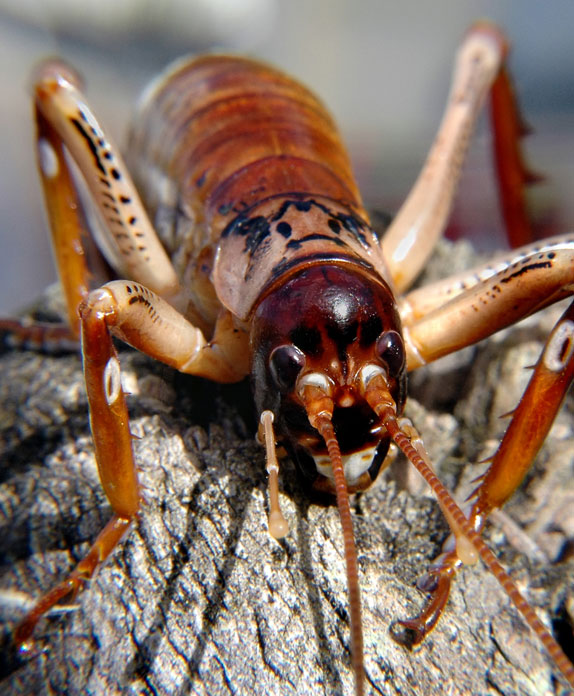
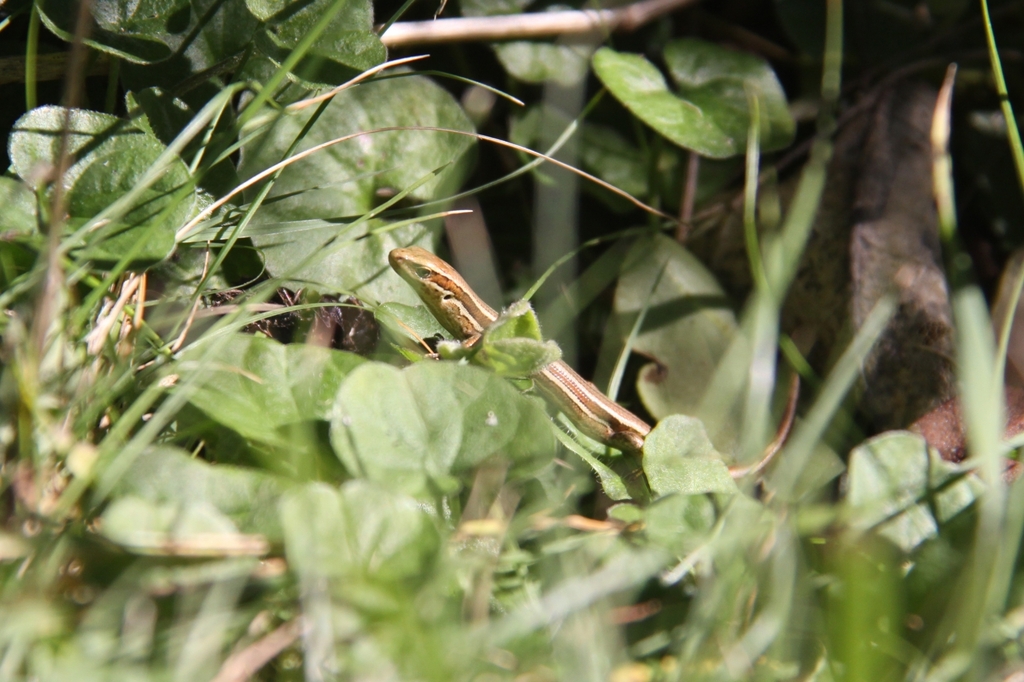
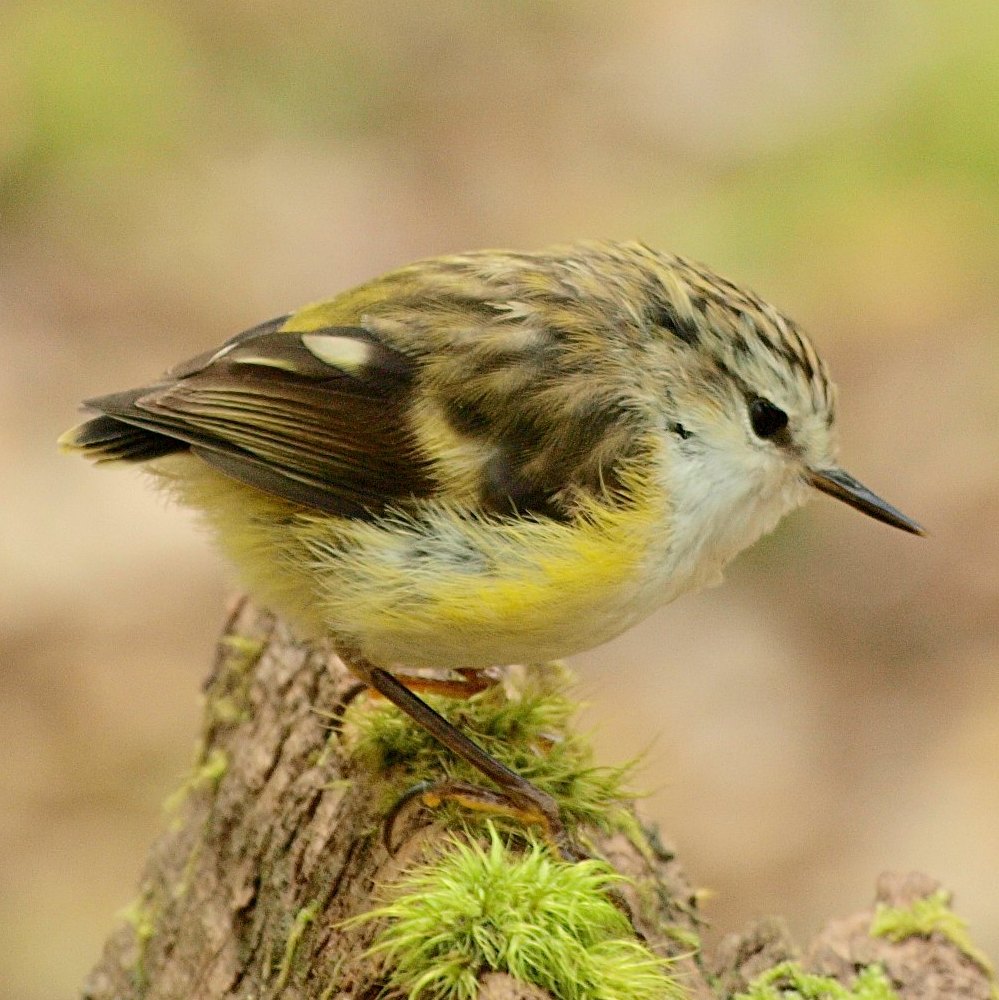
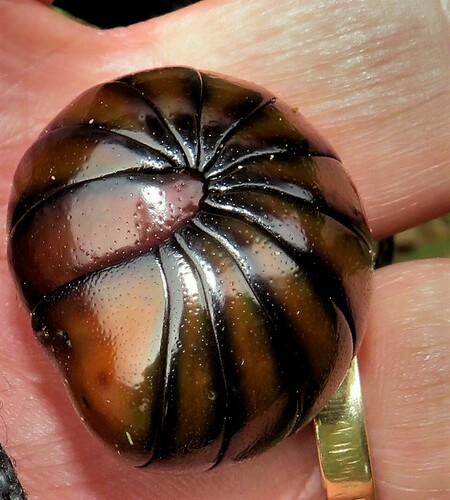
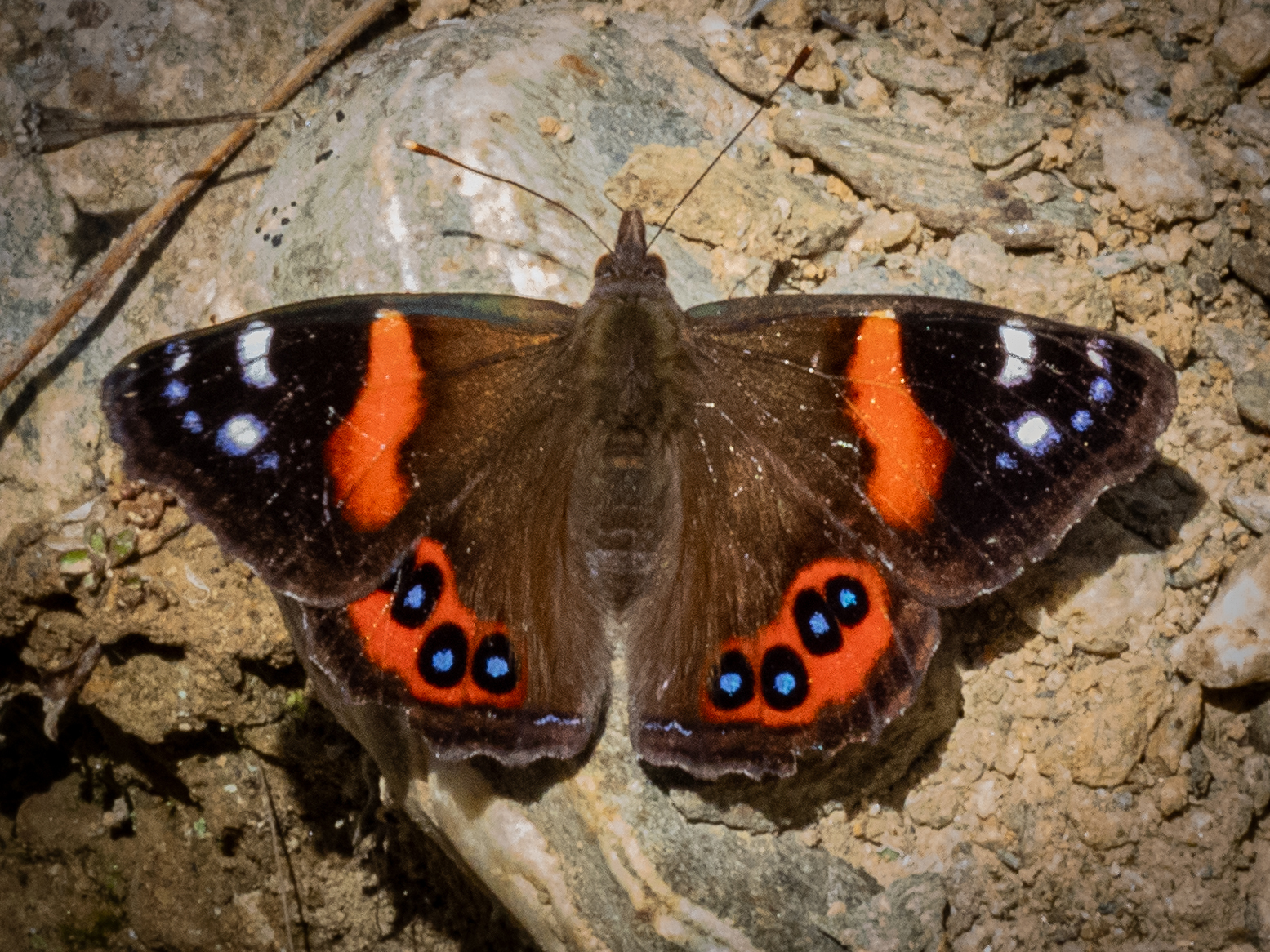

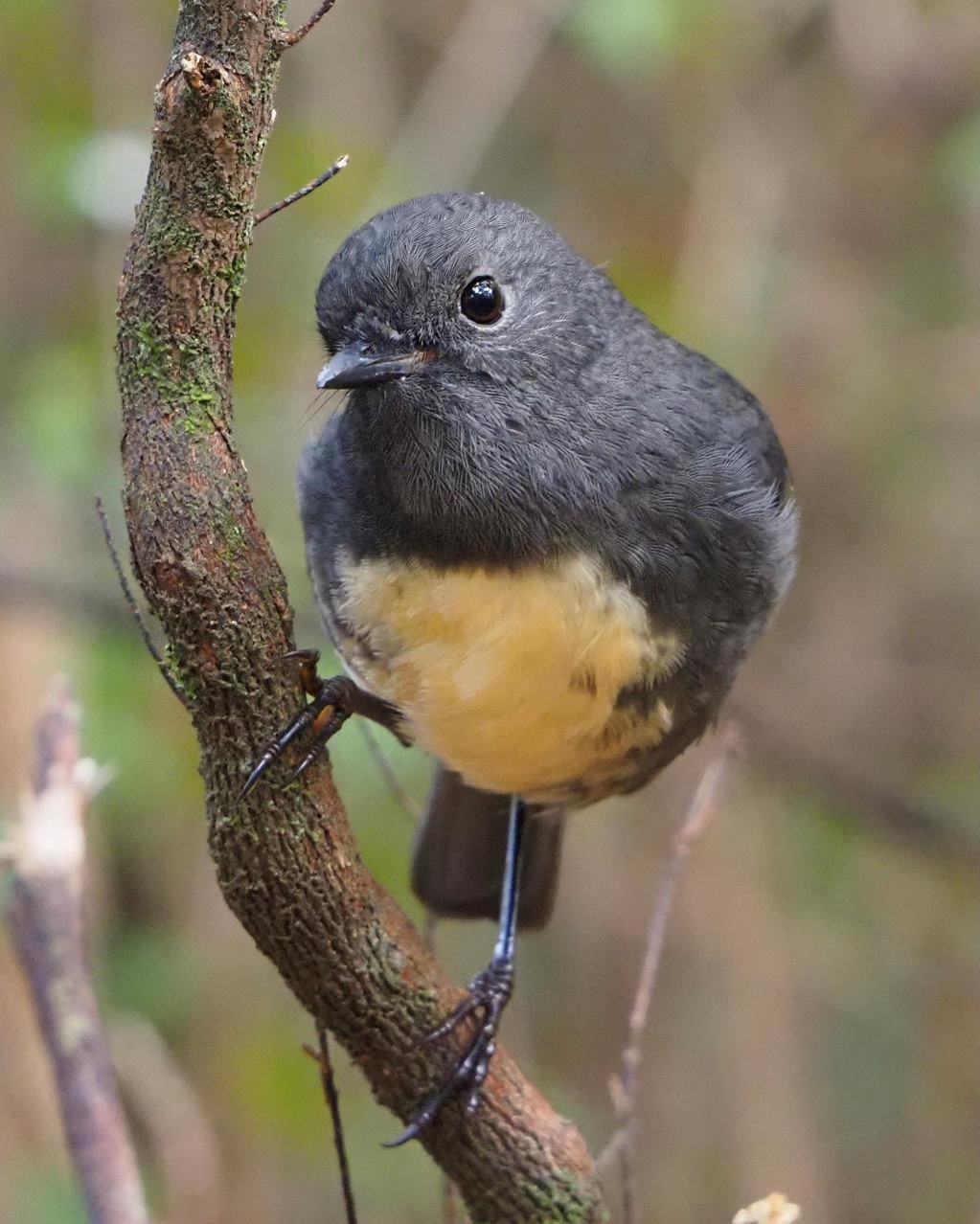
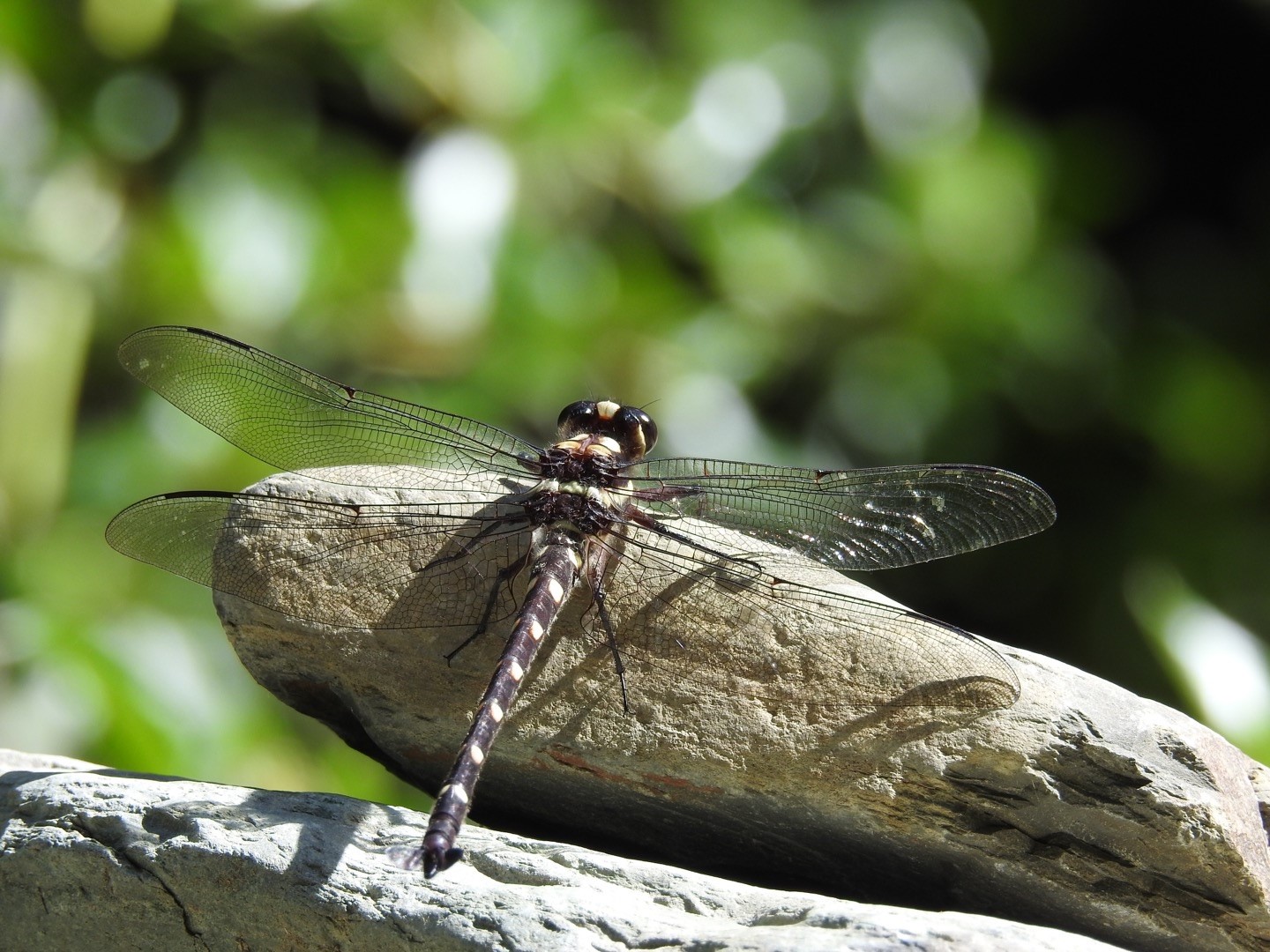
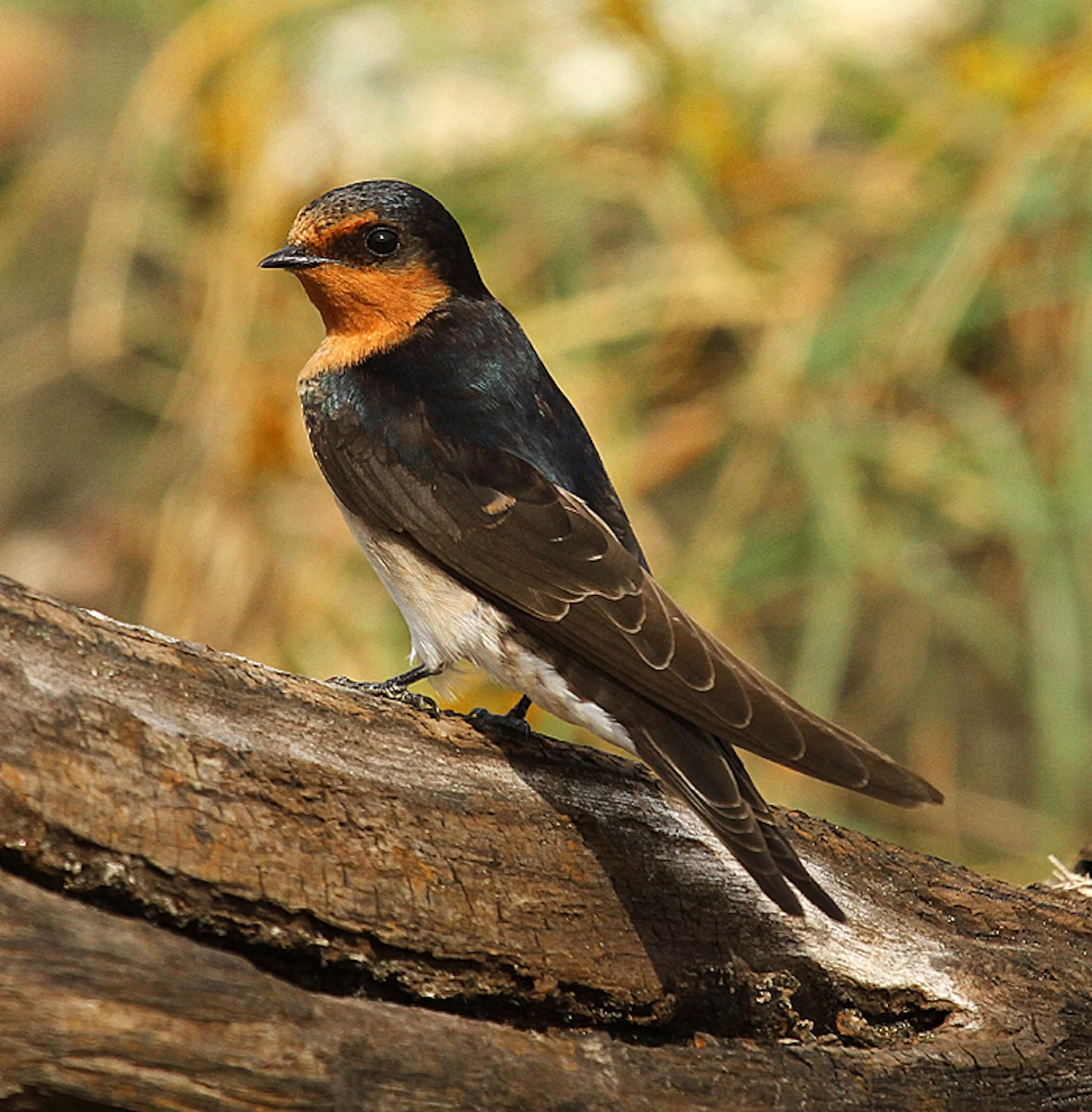
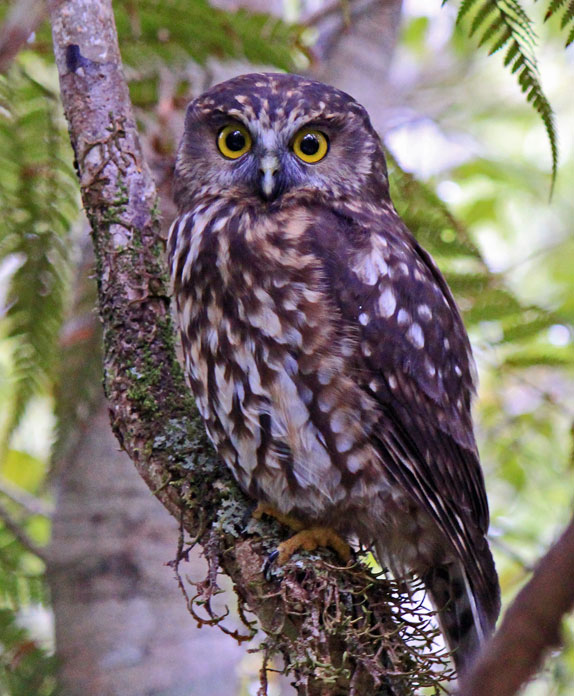

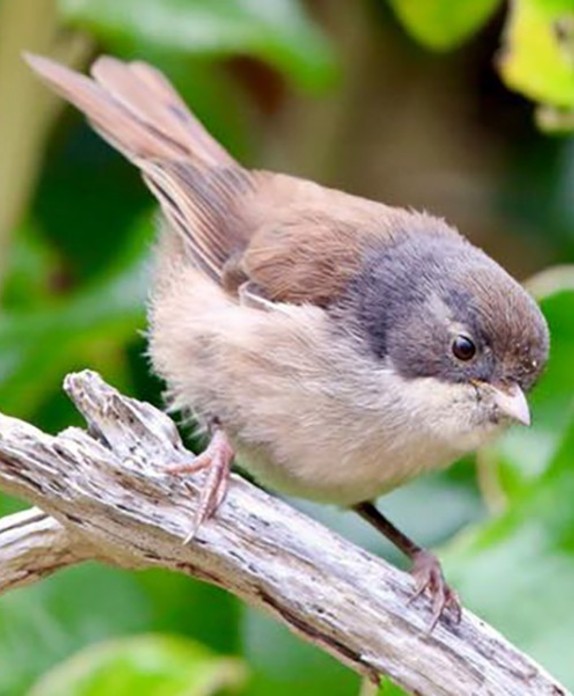
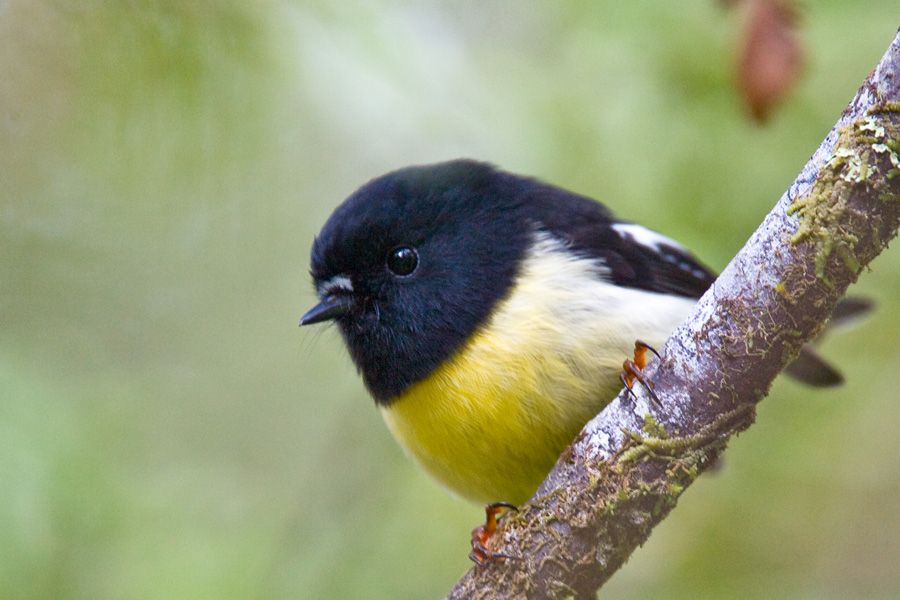

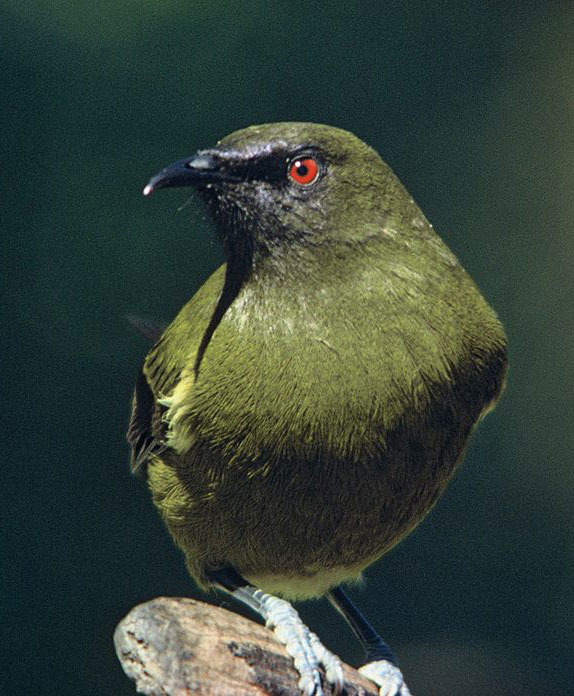
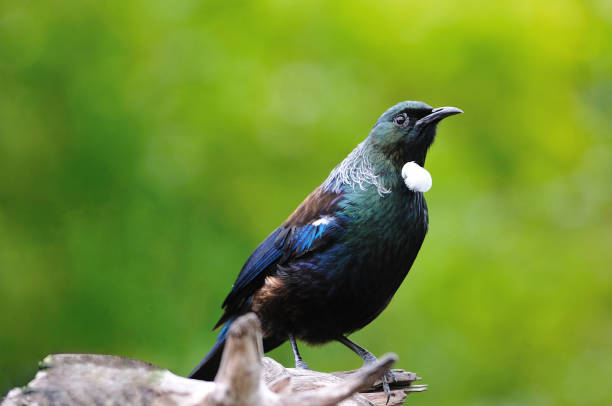
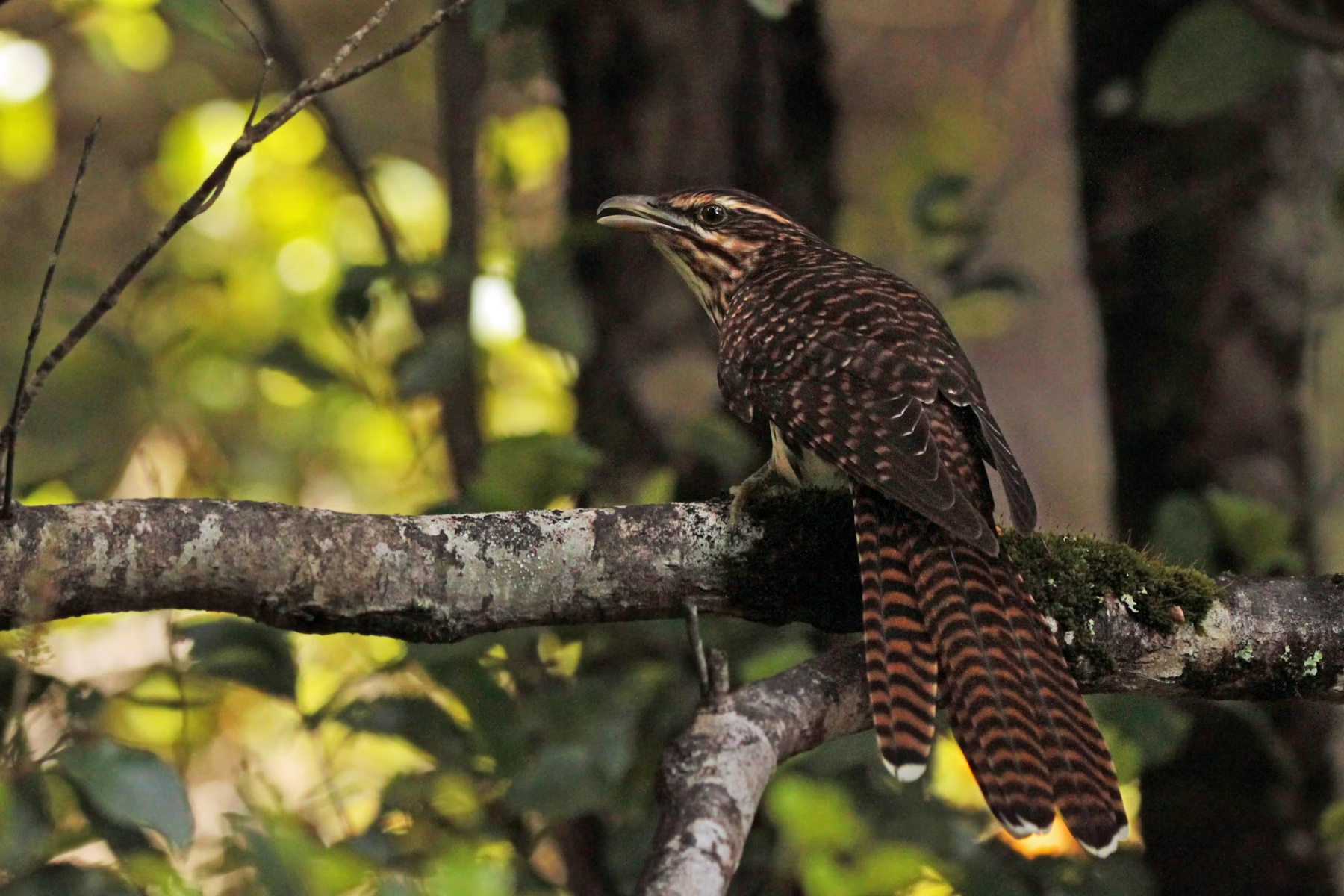
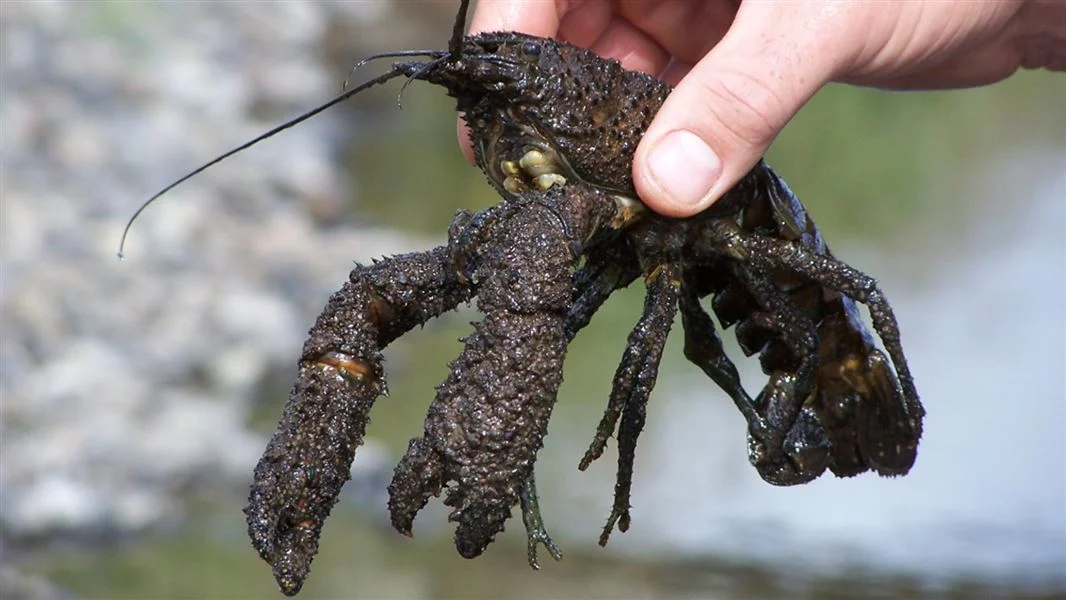
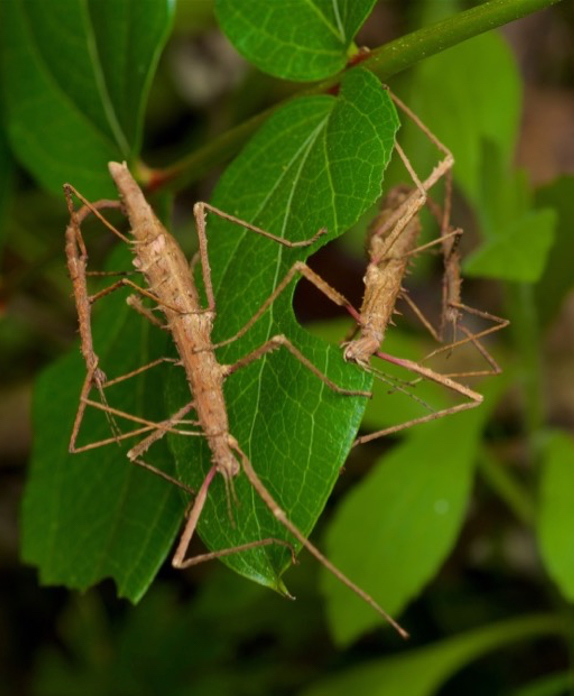
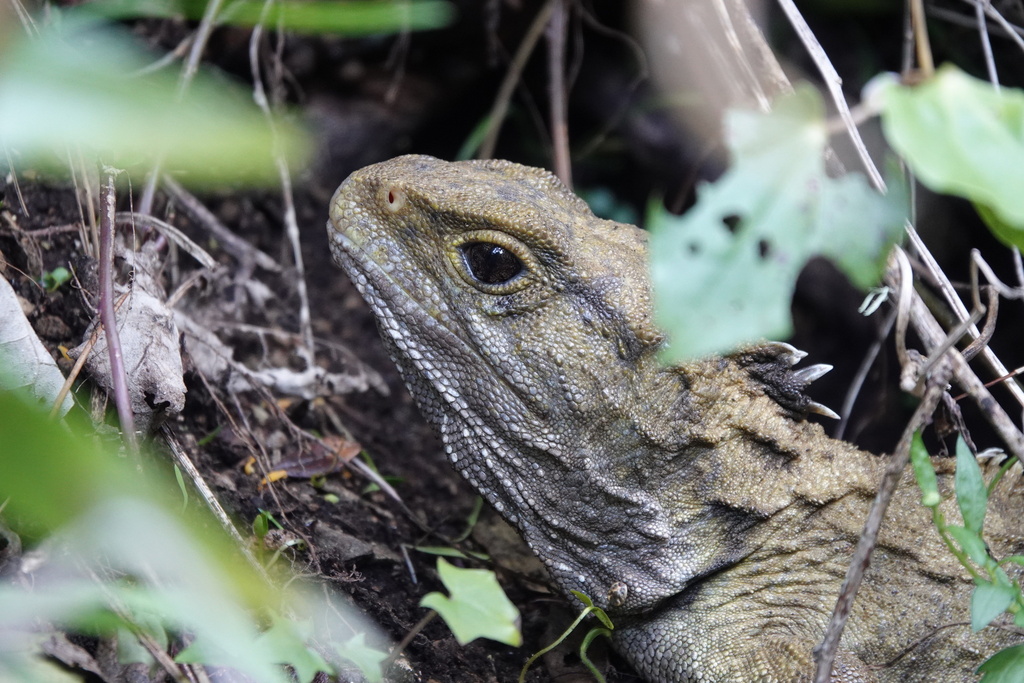
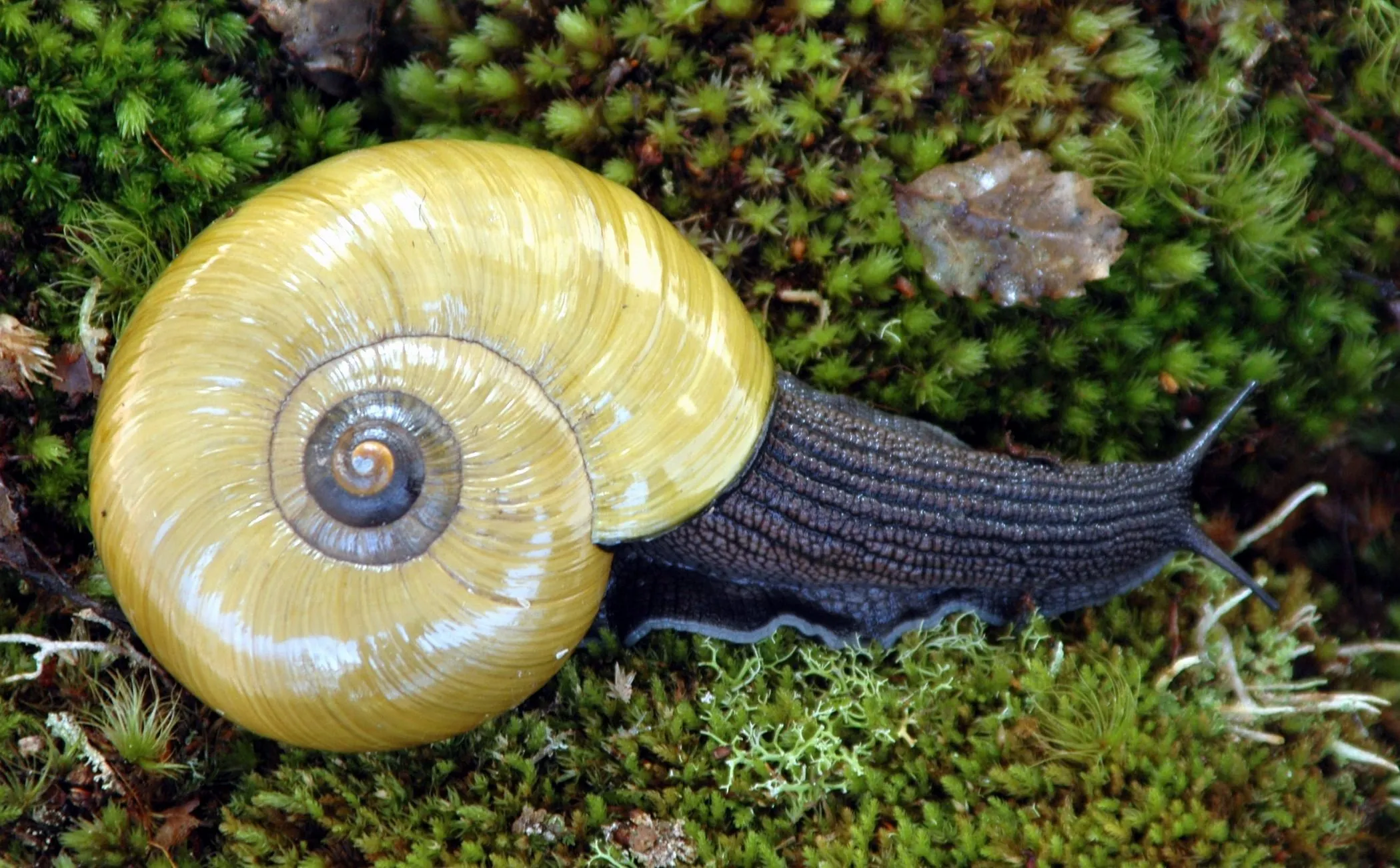
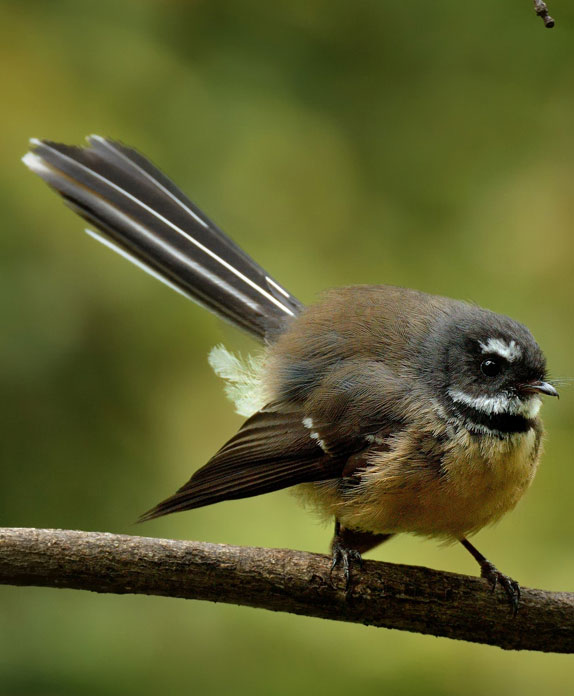
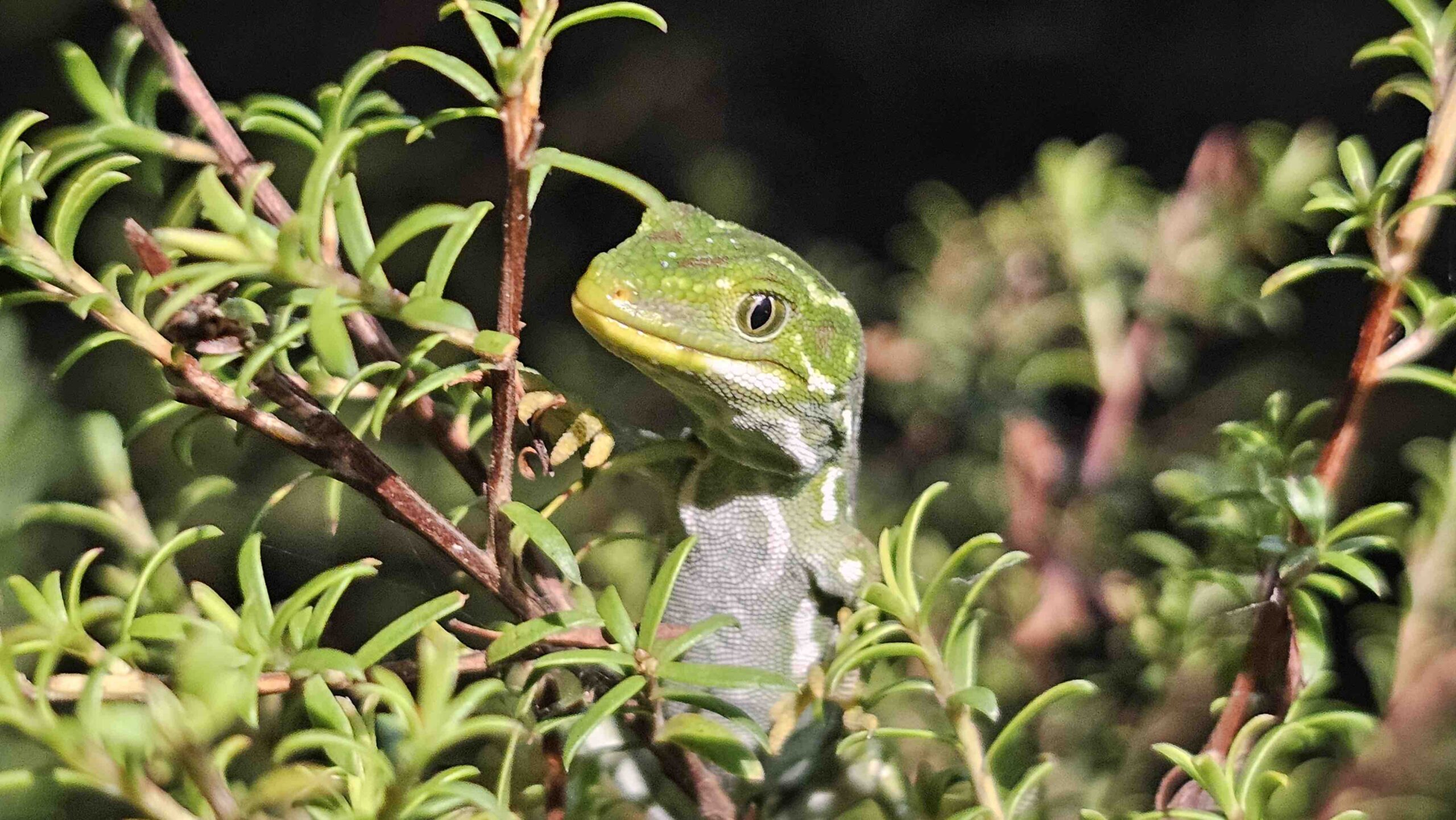
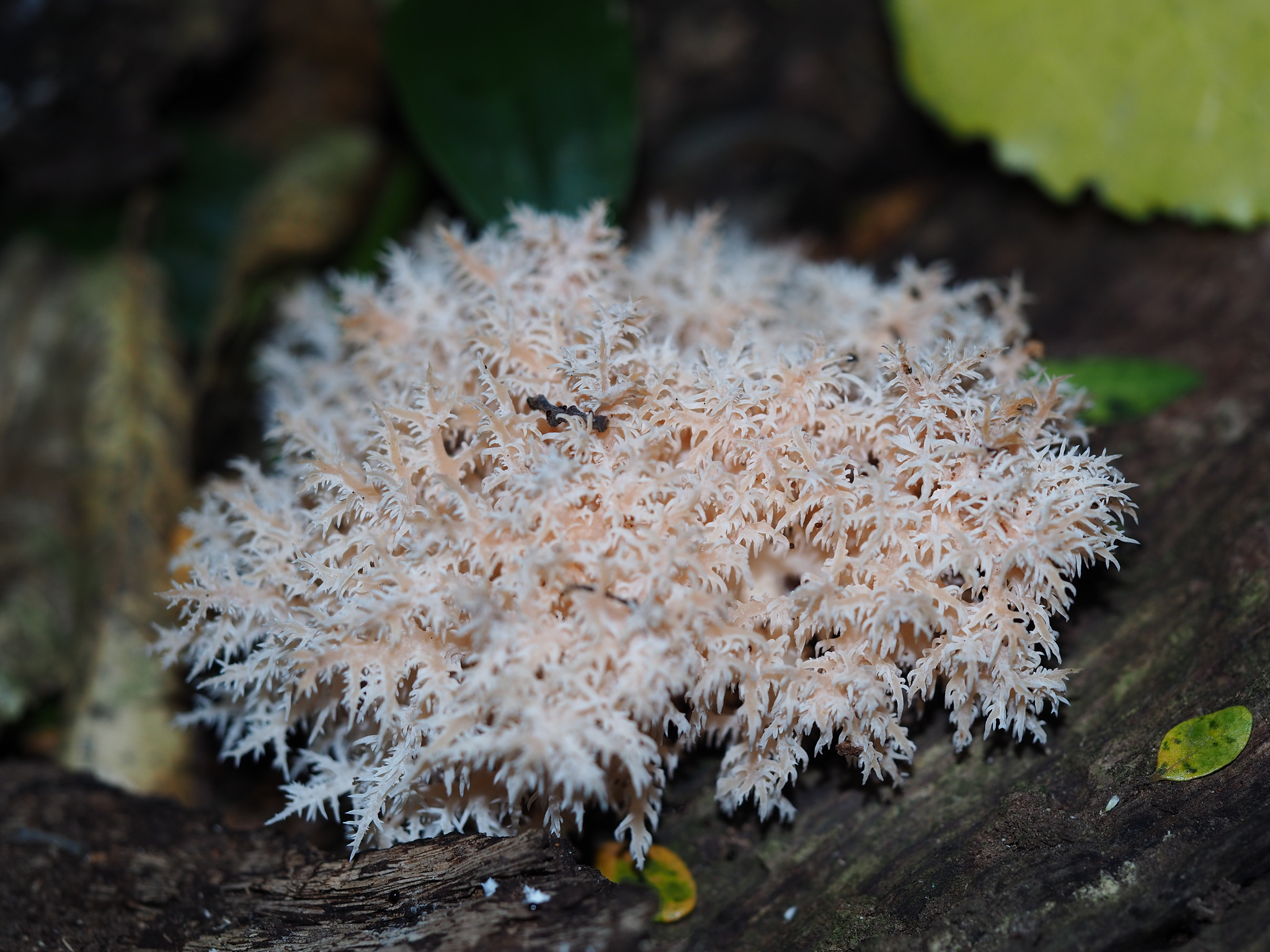
Choose your trail
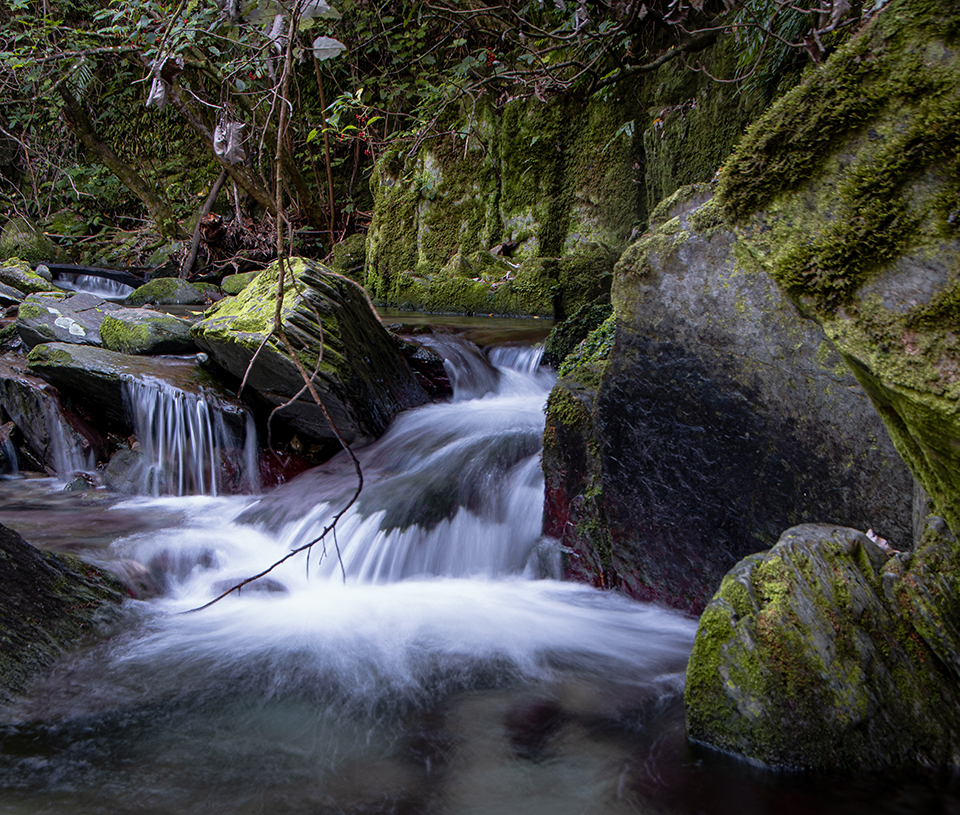
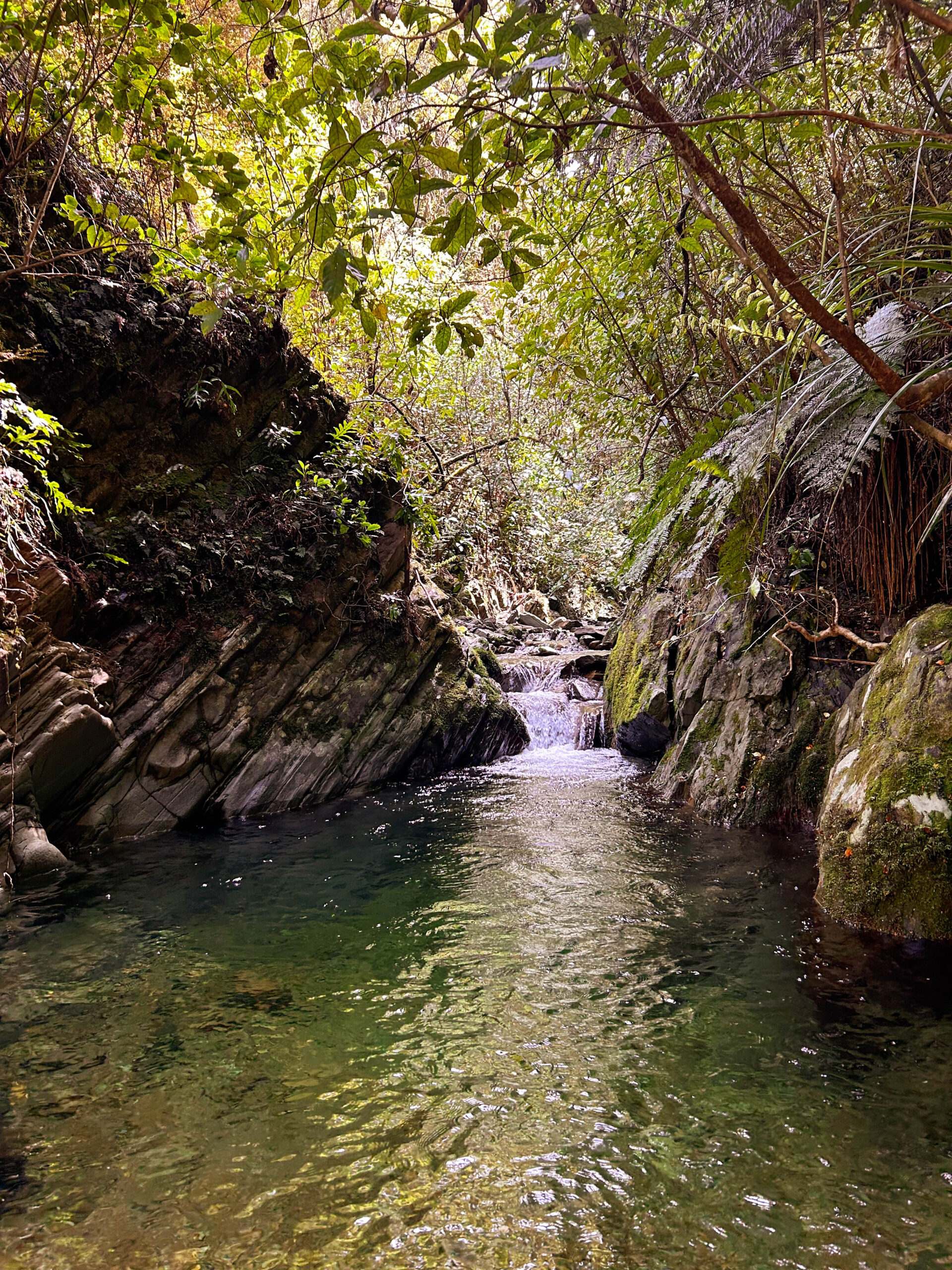
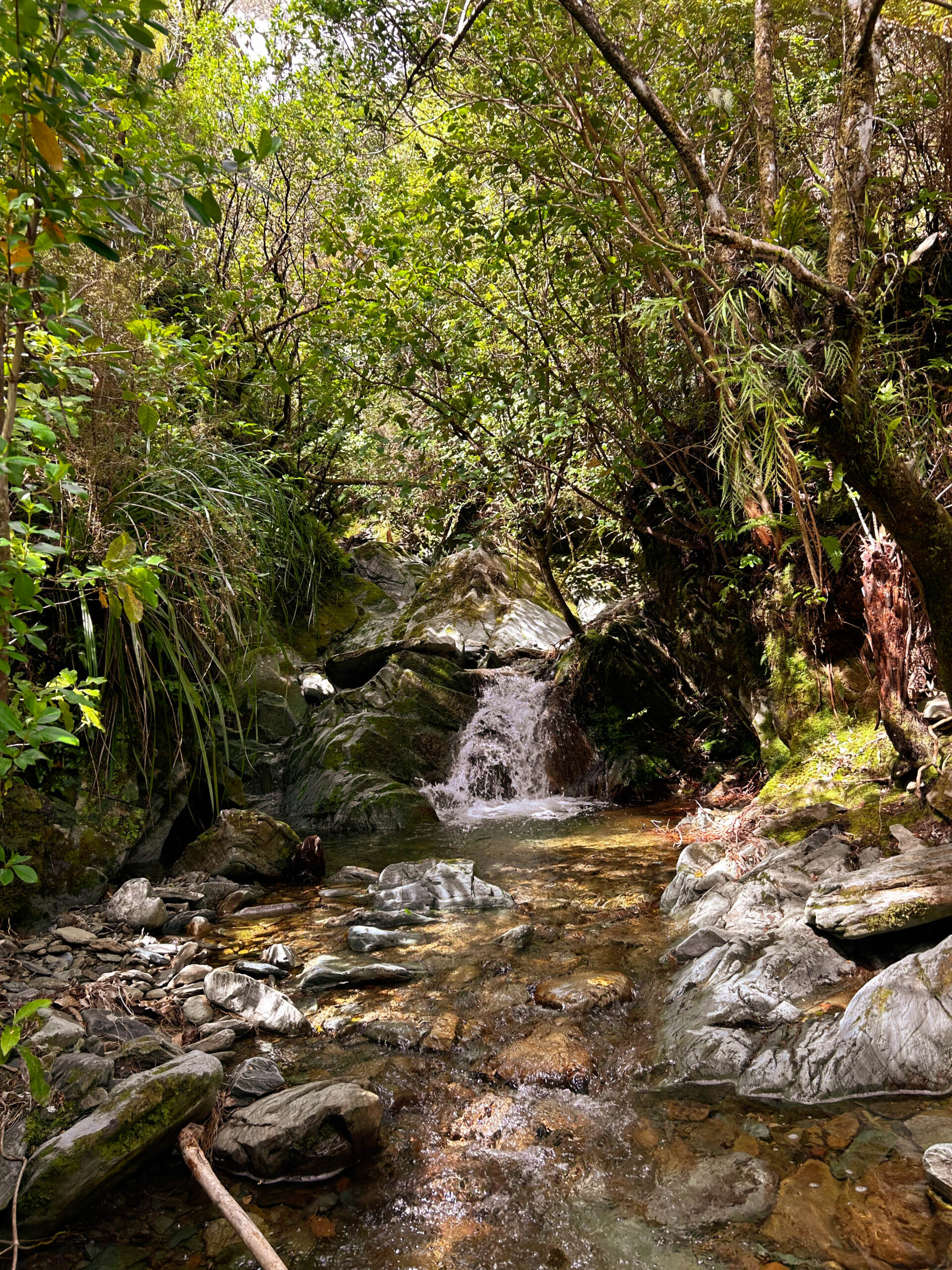
Which trail will you take today? Choose from short, medium and long day walks. Explore some of the best walks in Nelson and immerse yourself in the Sanctuary for a day.
Visitor Reviews
Follow us on Instagram
@brooksanctuary
Share your photos with #brooksanctuary
🌿 We’re open today for Labour Day!
Looking for something different to do this long weekend? Come and reconnect with nature at Brook Waimārama Sanctuary!
Explore our beautiful native forest, wander the walking tracks and keep your eyes peeled for some of Aotearoa’s special wildlife. You might spot a curious kākāriki karaka, a South Island robin, or even a basking tuatara!
🌳 15 km of scenic walking tracks to explore
🦎 Discover unique native wildlife
🌿 A peaceful nature escape just 10 minutes from Nelson city centre
Bring the family, enjoy the fresh air and discover something new. There’s plenty to see and explore, and every visit supports our work protecting threatened species and restoring our native forest.
📍 Open today, Monday 26 October, 10am–4pm.
We look forward to seeing you at the Sanctuary today! 🌿
#BrookWaimāramaSanctuary #NelsonNZ #LabourWeekend #ReconnectWithNature #ExploreNelson #NativeWildlife #ConservationNZ #NatureEscape #FamilyFun #ProtectOurWildlife
Oct 25


🌿 We’re open this Labour Weekend!
Looking for something different to do this long weekend? Come and reconnect with nature at Brook Waimārama Sanctuary!
Explore our beautiful native forest, wander the walking tracks and keep your eyes peeled for some of Aotearoa’s special wildlife. You might spot a curious kākāriki karaka, a South Island robin, or even a basking tuatara!
🌳 15 km of scenic walking tracks
🦎 Discover unique native wildlife
🌿 Enjoy a peaceful escape just 10 minutes from Nelson city centre
📍 Open Saturday 24 to Monday 26 October, 10am–4pm.
Bring the family, enjoy the fresh air and discover something new. Every visit supports our work protecting threatened species and restoring our native forest.
We look forward to seeing you this Labour Weekend!
#BrookWaimāramaSanctuary #NelsonNZ #LabourWeekend #ReconnectWithNature #ProtectOurWildlife
Oct 22

🌿 BINGO NIGHT at Spring and Fern – The Meadow! 🎱
Looking for a fun night out while supporting a great cause? Join us for a night of bingo, good company and some fantastic prizes, all in support of the Brook Waimārama Sanctuary! 🌱
📅 Tuesday 20 October
⏰ 7pm
📍 Spring and Fern – The Meadow
💰 Remember to bring cash!
🎁 Great prizes are up for grabs, so bring your friends, bring your lucky streak, and get ready for a fun night supporting our native wildlife and conservation work.
We’d love to see you there! 🌿
Oct 18

Mental Health Awareness Week 2026 | Take a moment for yourself
Sometimes, the best thing we can do for our wellbeing is slow down, get outside and reconnect with nature.
At the Brook Waimārama Sanctuary, we’re lucky to be surrounded by native birdsong, towering trees and the peaceful sounds of the forest. Spending time in nature can help us feel calmer, lift our mood and give us space to reset.
Have you ever tried forest bathing? Also known as shinrin-yoku, it’s the practice of immersing yourself in the natural environment and mindfully connecting with your surroundings. It’s not about how far you walk or how quickly you get there; it’s about slowing down, noticing the sights and sounds around you, breathing in the fresh forest air and being present in the moment.
This Mental Health Week, we encourage you to take a little time for yourself. Wander beneath the trees, listen to the birds, feel the breeze on your face or simply pause and take a few deep breaths. Sometimes, a little time in nature is just what we need to recharge.
Remember, you don’t have to do everything at once, and it’s okay to ask for help when you need it. Looking after your mental wellbeing matters.
Find out more at the Mental Health Foundation of New Zealand: www.facebook.com/mentalhealthfoundationNZ
Take a breath. Slow down. Reconnect with nature.
📽 Video credit: Nicholas Roosen @nickjroosen
#MentalHealthWeek #ForestBathing #Wellbeing #NatureForWellbeing #BrookWaimāramaSanctuary #taketimeforyou
Oct 14

A big thank you to @patagonia and @mdoutdoorsnz for their recent generous donation to the Brook Waimārama Sanctuary. 💛
Through Patagonia’s Impact Incentive Programme, MD Outdoors had the opportunity to select a charity to support and chose the Sanctuary. We’re incredibly grateful to both organisations for their commitment to supporting conservation and protecting Aotearoa New Zealand’s unique wildlife and natural environment.
Every contribution helps us continue our work to protect threatened species, restore our native ecosystem, and ensure future generations can experience the wonders of our natural heritage.
MD Outdoors is proudly 100% locally owned and operated, and we’d also like to congratulate the team on recently opening their new store in Wakefield. It’s fantastic to see businesses supporting conservation and making a positive difference in our community.
Thank you, Patagonia and MD Outdoors for backing our mahi and helping us make a difference.
#BrookWaimāramaSanctuary #Patagonia #MDOutdoors #Conservation #ProtectingOurFuture
Oct 13

Support the Brook Waimārama Sanctuary at The Spectacle 2026! 💛
@runthespectacle brings runners and walkers of all abilities together in the heart of Whakatū Nelson, with challenges ranging from a mile to an incredible 100 miles.
You can support the Brook Waimārama Sanctuary by making a donation or taking part and fundraising for us. Every contribution, big or small, helps protect and restore our precious native wildlife and ngahere.
We’re thrilled to have 16 fundraisers already signed up to support the Sanctuary. Thank you for getting behind our kaupapa!
Want to go the extra mile? Sign up, choose the Sanctuary as your charity, and rally your friends, whānau and community to support you.
Together, we can make a difference for our native wildlife.
Donate or sign up today: 🔗Link in bio>>
#BrookWaimāramaSanctuary #TheSpectacle2026 #NelsonNZ #WhakatūNelson #ProtectOurWildlife #NativeWildlife #Conservation #Fundraising #SupportLocal #NewZealandNature #RunForNature #TogetherForNature
Oct 8
